Showing posts with label Rep Brad Wenstrup. Show all posts

Monday, December 16, 2019

US Congress Resolution H.Con.Res.79: Assisted suicide puts everyone at risk of deadly harm.

(Link to the Congressional Resolution H.Con.Res.79)

Expressing the sense of the Congress that assisted suicide (sometimes referred to using other terms) puts everyone, including those most vulnerable, at risk of deadly harm.

IN THE HOUSE OF REPRESENTATIVES
December 12, 2019

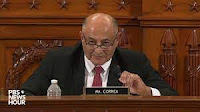
Mr. Correa (for himself, Mr. Wenstrup, Mr. Peterson, Mr. Smith of New Jersey, Mr. Langevin, Mrs. Wagner, Mr. Lipinski, Mr. LaHood, Mr. Cartwright, Mr. Harris, and Mr. Abraham) submitted the following concurrent resolution; which was referred to the Committee on Energy and Commerce.


Whereas “suicide” means the act of intentionally ending one’s own life, preempting death from disease, accident, injury, age, or other condition;

Whereas “assisting in a suicide”, sometimes referred to as death with dignity, end-of-life options, aid-in-dying, or similar phrases, means knowingly and willingly prescribing, providing, dispensing, or distributing to an individual a substance, device, or other means that, if taken, used, ingested, or administered as directed, expected, or instructed, will, with reasonable medical certainty, result in the death of the individual, preempting death from disease, accident, injury, age, or other condition;

Whereas society has a longstanding policy of supporting suicide prevention such as through the efforts of many public and private suicide prevention programs, the benefits of which could be denied under a public policy of assisted suicide;

Whereas assisted suicide most directly threatens the lives of people who are elderly, experience depression, have a disability, or are subject to emotional or financial pressure to end their lives;

Whereas the Oregon Health Authority’s annual reports reveal that pain or the fear of pain is listed second to last (25 percent) among the reasons cited by all patients seeking lethal drugs since 1998, while the top 5 reasons cited are psychological and social concerns: “losing autonomy” (92 percent), “less able to engage in activities that make life enjoyable” (90 percent), “loss of dignity” (79 percent), “losing control of bodily functions” (48 percent), and “burden on family friends/caregivers” (41 percent);

Whereas the Supreme Court has ruled twice (in Washington v. Glucksberg and Vacco v. Quill) that there is no constitutional right to assisted suicide, that the Government has a legitimate interest in prohibiting assisted suicide, and that such prohibitions rationally relate to “protecting the vulnerable from coercion” and “protecting disabled and terminally ill people from prejudice, negative and inaccurate stereotypes, and ‘societal indifference’”;


Whereas clearly expressing that assisted suicide is not a legitimate health care service, Congress passed, with a nearly unanimous vote, and President Bill Clinton signed, the Assisted Suicide Funding Restriction Act to prevent the use of Federal funds for any item or service, including advocacy, provided for the purpose of causing, or assisting in causing, the death of any individual such as by assisted suicide, euthanasia, or mercy killing;

Whereas a handful of States have authorized assisted suicide, but over 30 States have rejected over 200 attempts at legalization since 1994;

Whereas States that authorize assisted suicide for terminally ill patients do not require that such patients receive psychological screening or treatment, though studies show that the overwhelming majority of patients contemplating suicide experience depression;

Whereas the laws of such States contain no requirement for a medical attendant to be present at the time the lethal dose is taken, used, ingested, or administered to intervene in the event of medical complications;

Whereas such State laws contain no requirement that a qualified monitor be present to assure that the patient is knowingly and voluntarily taking, using, ingesting, or administering the lethal dose;

Whereas such State laws contain no requirement to secure lethal medication if unwanted or if death occurs before such medication is used;

Whereas such State laws do not prevent family members, heirs, or health care providers from pressuring patients to request assisted suicide;

Whereas such States qualify some patients for assisted suicide by using a broad definition of “terminal disease” and “going to die in six months or less” that includes diseases (such as diabetes or HIV) that, if appropriately treated, would not otherwise result in death within six months;

Whereas it is extremely difficult even for the most experienced doctors to accurately prognosticate a six-month life expectancy as required, making such a prognosis a prediction, not a certainty;

Whereas reporting requirements vary by State, but when required, rely on prescribing physicians or dispensing pharmacists to self-report;

Whereas such reporting is neither conducted by an objective third party nor of sufficient depth and accuracy to effectively monitor the occurrence of assisted suicide;

Whereas there is an astounding lack of transparency in the practice of assisted suicide to the extent that State health departments and other authorities admittedly have no method of knowing if it is being practiced within the bounds of State laws and have no funding or authority to make such a determination;

Whereas some State laws actively conceal assisted suicide by directing the physician to list the cause of death as the underlying condition without reference to death by suicide;

Whereas the confidential nature of end-of-life decisions makes it virtually impossible to effectively monitor a physician’s behavior to prevent abuses, making any number of safeguards insufficient;

Whereas the cost of lethal medication is far less costly than many life-saving treatments, which threatens to restrict treatment options, especially for disadvantaged and vulnerable persons, as has happened in several known cases and presumably many more unknown in which insurers have denied or delayed coverage for life-saving care while offering to cover assisted suicide;

Whereas access to personal assistance services such as in-home hospice and palliative care, home health care aides, and nursing care/nursing assistance is regretfully limited and subject to long waiting lists in many areas, placing systemic pressure on patients in need of such personal assistance services to resort to assisted suicide; and

Whereas for all these reasons, assisted suicide undermines the integrity of the health care system: Now, therefore, be it

Resolved by the House of Representatives (the Senate concurring), That it is the sense of Congress that the Federal Government should ensure that every person facing the end of their life has access to the best quality and comprehensive medical care, including palliative, in-home, or hospice care, tailored to their needs and that the Federal Government should not adopt or endorse policies or practices that support, encourage, or facilitate suicide or assisted suicide, whether by physicians or others.

Thursday, December 12, 2019

Disability Activist Anita Cameron To Speak At Congressional Briefing On Assisted Suicide


Link to the article published by Not Dead Yet.

Bipartisan Resolution Opposing Assisted Suicide Laws Reintroduced

Anita Cameron
Anita Cameron, director of minority outreach for Not Dead Yet, will speak at a Congressional briefing to be held Thursday, December 12, 2019 in Room 2168 of the Rayburn House Office Building.

The briefing is cosponsored by the National Council on Disability (NCD), Congressman Lou Correa (D-CA) and Congressman Brad Wenstrup (R-OH). This briefing will explore the findings and recommendations of a recent federal study of the country’s assisted suicide laws and their effect on access to health care and other dangers for people with disabilities.

The briefing coincides with this week’s reintroduction of a bipartisan House resolution,

“Expressing the sense of the Congress that assisted suicide (sometimes referred to using other terms) puts everyone, including those most vulnerable, at risk of deadly harm.”
Representative Correa is the lead sponsor, joined by Representative Wenstrup, and additional original cosponsors are Rep. James Langevin (D-RI), Rep. Andy Harris, M.D. (R-MD), Rep. Daniel Lipinski (D-IL), Rep. Darin LaHood (R-IL), Rep. Collin Peterson (D-MN), Rep. Ralph Abraham, M.D. (R-LA), Rep. Chris Smith (R-NJ), Rep. Ann Wagner (R-MO), and Rep. Matt Cartwright (D-PA).

Cameron has often spoken of the risks posed to people of color if assisted suicide becomes normalized in our healthcare system. 

“Due to racial disparities, Blacks and people of color receive inferior healthcare compared to Whites, especially in cardiac care, diabetes and pain management. Blacks are diagnosed with cancer at much later stages and the prognosis is worse,” 
Cameron says. 
“With so much documented healthcare injustice, we should not grant the system a greater license to kill.”
Diane Coleman
NDY’s president and CEO, Diane Coleman, also provided a statement in support of the resolution: 

“As a national, secular, social justice organization, Not Dead Yet strongly supports this bipartisan effort to speak truth to counter the many myths about legalized assisted suicide. As Americans with disabilities, we are on the front lines of the nation’s health care system that too often devalues old, ill, and disabled people. We are deeply concerned that profits are being prioritized over human needs. So we are grateful for this Sense of Congress that explains the dangers of mistake, coercion, and abuse under a public policy of assisted suicide.”
Additional national disability organizations issuing statements this week supporting the resolution include ADAPT, Disability Rights Education & Defense Fund and the National Council on Independent Living.

Friday, September 29, 2017

Resolution opposing assisted suicide to be debated in US Congress.

By Alex Schadenberg
Executive Director - Euthanasia Prevention Coalition


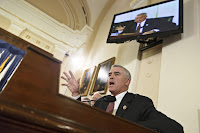
The Washington Times published an excellent article about the press conference organized by Rep Brad Wenstrup (Ohio) and the National Alliance Against Legalizing Assisted Suicide announcing the introduction of Resolution 80 opposing assisted suicide. According to the Washington Times Wenstrup stated:
“My feeling is when the government supports, encourages or facilitates suicide, whether assisted by physicians or otherwise, we devalue our fellow citizens, our fellow human beings,” Mr. Wenstrup said during the press conference at the Longworth House Office Building. “I don’t believe that’s who we should be.”
Dozens of disability rights leaders attended the press conference. 

Anita Cameron, the minority outreach director for the disability rights group Not Dead Yet was reportedly stated:
Anita Cameron, minority outreach director for Not Dead Yet, said she has been protesting efforts to repeal Obamacare over the past few days. She said physician-assisted suicide laws only exacerbate the problems with the health care system. 
“That kind of ties in with assisted suicide because if you’re taking away health care from people, it’s just that much easier, if assisted suicide also passed, it’s that much easier to recommend prescribed suicide pills for people,” Ms. Cameron said. “And that’s something we don’t want.”
J.J. and Kristen Hanson
Statements on behalf of J.J. Hanson, the President of the Patients Rights Action Fund, were read by his wife Kristen. Hanson has been affected by recent seizures, Hanson stated:

If assisted suicide had been available at the time of his diagnosis, he would have been tempted to end his life, especially during a bout of depression. 
“As I wondered, ‘Am I too much of a burden to my family?’ When I asked, ‘Is ending my life easier than this?’ I thought about it, and I considered it,” said Mrs. Hanson, reading for her husband. “Thankfully, I did not end my life, and that is why I am here today.”

Thursday, September 28, 2017

Members Introduce Bipartisan Resolution on the Dangers of Legalizing Assisted Suicide

For Immediate Release - September 27, 2017
Contact Hailey Sadler (202) 225-3164

Full text of the resolution is available here.

WASHINGTON, D.C. – Today, Rep. Brad Wenstrup (R-OH), along with Rep. Lou Correa (D-CA), Rep. Andy Harris, M.D. (R-MD), Rep. Juan Vargas (D-CA), Rep. Darin LaHood (R-IL), Rep. James Langevin (D-RI), Rep. Ralph Abraham, M.D. (R-LA), Rep. Daniel Lipinski (D-IL), Rep. Keith Rothfus (R-PA), and Rep. Tom Suozzi (D-NY) introduced H. Con. Res. 80, expressing the sense of Congress that legalizing physician-assisted suicide puts the most vulnerable of our society at risk of deadly harm and undermines the integrity of America’s healthcare system. They issued the following joint statement:
“Protecting the vulnerable and providing quality care for all patients are cornerstones of any good healthcare system. Included in that is providing comfort and care for those facing the heart-wrenching challenges of dealing with a potentially terminal illness. In some cases, this commitment to fighting for the best care – even in the face of the most deadly diseases – can result in new and innovative cures, offering the chance of recovery for both the patient and for others suffering in the future. In other cases, it is simply a question of offering end-of-life comfort and support.

Physician-assisted suicide, however, does the opposite. It undermines a key safeguard that protects our nation’s most vulnerable citizens, including the elderly, people with disabilities, and people experiencing psychiatric diagnoses. Americans deserve better.

We will continue to defend every human being’s inherent dignity, and work to ensure patients facing the end of their lives have access to the best quality and most comprehensive medical care possible, including palliative, in-home, or hospice care, tailored to their individual needs. When governments support, encourage, or facilitate suicide – whether assisted by physicians or others – we devalue our fellow citizens, our fellow human beings. That should not be who we are."

Full text of the resolution is available here.

Nonpartisan patients’ rights and disability rights advocacy organizations across the country have spoken out in strong support of this bipartisan resolution, including:

Patients Rights Action Fund:

“Many do not realize that people battling terminal illness, people with disabilities and others are inadvertently targeted by the legalization of assisted suicide. I am grateful to Congressmen Correa, Vargas, Wenstrup and all of the other cosponsors for introducing this Sense of Congress resolution,” said J.J. Hanson, President and a terminal brain cancer patient. “This bill brings attention to this important issue and takes a big step toward protecting me and so many others from a death-too-soon.”
National Council on Independent Living: 
“Our society places a high value on physical appearance and ability, and stigmatizes significant disability. It's no surprise that those of us who grew up able-bodied and then became disabled might initially see disability as a huge loss of one’s former dreams and physical abilities,” said Kelly Buckland, Executive Director. “When someone is first hit with this, they may feel they’d be better off dead. As one struggles to get basic needs met, some people feel worn down. If assisted suicide had been legal in the past, even if it were supposedly only for those with “terminal” conditions, I might not be here today. I’m grateful that assisted suicide was not legal back then, and I'm committed to keeping it that way. This is an important reason why the National Council on Independent Living opposes assisted suicide laws. NCIL is a leader in the disability rights movement, our political struggle for equal rights. And, among other things, equal rights include equal suicide prevention.”
Disability Rights Education & Defense Fund (DREDF): 
“Where assisted suicide is legal, some people’s lives will be ended without their consent, through mistakes and abuse. No safeguards have ever been enacted or even proposed that can prevent this outcome, which can never be undone,” said Marilyn Golden, Senior Policy Analyst. “The so-called safeguards are very weak, and the lack of oversight hides these dangers from public view. Moreover, assisted suicide laws are a prescription for elder abuse and abuse of people with disabilities. Supporters of assisted suicide say such laws won’t affect disabled people—but they will, whether or not they realize it. But there is a legal alternative: anyone dying in discomfort may legally receive palliative sedation. Under these circumstances, assisted suicide is not real choice, but a phony form of freedom.”
ADAPT: 
“Disabled people and seniors who need assistance with everyday tasks like dressing and bathing want the choice to get those services at home and to have control over how they’re delivered. We do not want to be forced into a nursing facility, nor forced to live in poverty to qualify. Unfortunately, that choice is not a reality for most of us. In states that have legalized assisted suicide, Oregon data shows, over a third of those who request assistance to die do so because of “feelings of being a burden” and over 90% cite “loss of autonomy” as a factor,” said Stephanie Woodward, Director of Advocacy. “If the only alternative to death is poverty and segregation in nursing facilities, assisted suicide is not a “choice.” Society is failing to ensure access to consumer controlled long-term services. The last thing we need in this time of draconian budget cuts in Medicaid is the legalization of assisted suicide laws, because the untimely deaths of disabled Americans can easily be seen as a cost saving answer.
Not Dead Yet: 
"As a national, secular, social justice organization, Not Dead Yet strongly supports this bipartisan effort to speak truth to the many myths about legalized assisted suicide," said Diane Coleman, President/CEO. "As Americans with disabilities, we are on the front lines of the nation's health care system that often devalues old, ill, and disabled people. So we are grateful for this Sense of Congress that explains the dangers of mistake, coercion, and abuse under a public policy of assisted suicide."
Physicians for Compassionate Care Education Fund: 
"Empowering doctors to assist patients in killing themselves has led to an inevitable erosion of trust in the motives of doctors, health care institutions, and insurers. This has been detrimental to patients, degraded the quality of medical care, and compromised the integrity of medical profession wherever assisted suicide has been legalized,” Dr. William F. Toffler, National Director. “The solution to suffering is not to end the life of the sufferer; rather society's focus at the end of life should be to alleviate suffering by improving access to hospice and palliative care whenever it is needed."
The Euthanasia Prevention Coalition supports H. Con. Res. 80 and we hope that the resolution will open the doors to a new awareness of how assisted suicide laws are designed to protect doctors who prescribe lethal drugs to their patients and eliminate, not provide choice. Link to the official Text - H. Con. Res. 80.

H. CON. RES. 80 (Assisted Suicide Resolution)

Link to the official Text - H. Con. Res. 80.

Expressing the sense of the Congress that assisted suicide (sometimes referred to as death with dignity, end-of-life options, aid-in-dying, or similar phrases) puts everyone, including those most vulnerable, at risk of deadly harm and undermines the integrity of the health care system.

IN THE HOUSE OF REPRESENTATIVES

September 26, 2017


Mr. Wenstrup (for himself, Mr. Correa, Mr. Vargas, Mr. Langevin, Mr. Lipinski, Mr. Harris, Mr. LaHood, Mr. Abraham, Mr. Rothfus, and Mr. Suozzi) submitted the following concurrent resolution; which was referred to the Committee on Energy and Commerce.


CONCURRENT RESOLUTION


Expressing the sense of the Congress that assisted suicide (sometimes referred to as death with dignity, end-of-life options, aid-in-dying, or similar phrases) puts everyone, including those most vulnerable, at risk of deadly harm and undermines the integrity of the health care system.

Whereas “suicide” means the act of intentionally ending one’s own life, preempting death from disease, accident, injury, age, or other condition;

Whereas “assisting in a suicide” means knowingly and willingly prescribing, providing, dispensing, or distributing to an individual a substance, device, or other means that, if taken, used, ingested, or administered as directed, expected, or instructed, will, with reasonable medical certainty, result in the death of the individual, preempting death from disease, accident, injury, age, or other condition;

Whereas society has a longstanding policy of supporting suicide prevention such as through the efforts of many public and private suicide prevention programs, the benefits of which could be denied under a public policy of assisted suicide;

Whereas assisted suicide most directly threatens the lives of people who are elderly, experience depression, have a disability, or are subject to emotional or financial pressure to end their lives;

Whereas the Oregon Health Authority’s annual reports reveal that pain or the fear of pain is listed second to last (25 percent) among the reasons cited by all patients seeking lethal drugs since 1998, while the top five reasons cited are psychological and social concerns: “losing autonomy” (92 percent), “less able to engage in activities that make life enjoyable” (90 percent), “loss of dignity” (79 percent), “losing control of bodily functions” (48 percent), and “burden on family friends/caregivers” (41 percent);

Whereas the United States Supreme Court has ruled twice (in Washington v. Glucksberg and Vacco v. Quill) that there is no constitutional right to assisted suicide, that the Government has a legitimate interest in prohibiting assisted suicide, and that such prohibitions rationally relate to “protecting the vulnerable from coercion” and “protecting disabled and terminally ill people from prejudice, negative and inaccurate stereotypes, and ‘societal indifference;’”

Whereas clearly expressing that assisted suicide is not a legitimate health care service, Congress passed, with a nearly unanimous vote, and President Bill Clinton signed, the Assisted Suicide Funding Restriction Act to prevent the use of Federal funds for any item or service, including advocacy, provided for the purpose of causing, or assisting in causing, the death of any individual such as by assisted suicide, euthanasia, or mercy killing;

Whereas a handful of States have authorized assisted suicide, but over 30 States have rejected over 200 attempts at legalization since 1994;

Whereas States that authorize assisted suicide for terminally ill patients do not require that such patients receive psychological screening or treatment, though studies show that the overwhelming majority of patients contemplating suicide experience depression;

Whereas the laws of such States contain no requirement for a medical attendant to be present at the time the lethal dose is taken, used, ingested, or administered to intervene in the event of medical complications;

Whereas such State laws contain no requirement that a qualified monitor be present to assure that the patient is knowingly and voluntarily taking, using, ingesting, or administering the lethal dose;

Whereas such State laws contain no requirement to secure lethal medication if unwanted or if death occurs before such medication is used;

Whereas such State laws do not prevent family members, heirs, or health care providers from pressuring patients to request assisted suicide;

Whereas such States qualify some patients for assisted suicide by using a broad definition of “terminal disease” and “going to die in six months or less” that includes diseases (such as diabetes or HIV) that, if appropriately treated, would not otherwise result in death within six months;

Whereas it is extremely difficult even for the most experienced doctors to accurately prognosticate a six-month life expectancy as required, making such a prognosis a prediction, not a certainty;

Whereas reporting requirements vary by State, but when required, rely on prescribing physicians or dispensing pharmacists to self-report;

Whereas such reporting is neither conducted by an objective third party nor of sufficient depth and accuracy to effectively monitor the occurrence of assisted suicide;

Whereas there is an astounding lack of transparency in the practice of assisted suicide to the extent that State health departments and other authorities admittedly have no method of knowing if it is being practiced within the bounds of State laws and have no funding or authority to make such a determination;

Whereas some State laws actively conceal assisted suicide by directing the physician to list the cause of death as the underlying condition without reference to death by suicide;

Whereas the confidential nature of end-of-life decisions makes it virtually impossible to effectively monitor a physician’s behavior to prevent abuses, making any number of safeguards insufficient;

Whereas the cost of lethal medication is far less costly than many life-saving treatments, which threatens to restrict treatment options, especially for disadvantaged and vulnerable persons, as has happened in several known cases and presumably many more unknown in which insurers have denied and/or delayed coverage for life-saving care while offering to cover assisted suicide; and

Whereas access to personal assistance services such as in-home hospice and palliative care, home health care aides, and nursing care/nursing assistance is regretfully limited and subject to long waiting lists in many areas, placing systemic pressure on patients in need of such personal assistance services to resort to assisted suicide: Now, therefore, be it 

Resolved by the House of Representatives (the Senate concurring), That it is the sense of the Congress that the Federal Government should ensure that every person facing the end of their life has access to the best quality and comprehensive medical care, including palliative, in-home, or hospice care, tailored to their needs and that the Federal Government should not adopt or endorse policies or practices that support, encourage, or facilitate suicide or assisted suicide, whether by physicians or others.

Link to the official Text of H. Con. Res. 80.

Monday, February 13, 2017

Crucial vote in the US Congress on Assisted Suicide.

Contact your member of Congress immediately to support Resolution 27.


The resolution to stop the Washington D.C. Assisted Suicide Act is coming up for a crucial vote. 

Now that H.J. Res 27 advanced from the House Committee on Oversight and Government on Monday February 13, by a vote of 22 - 14, Res 27 now must go to a vote in Congress soon.

Please email Congressman Jason Chaffetz, Chair of the House Committee on Oversight and Government urge him to bring H.J. Res 27 to a vote in Congress.


Contact your Member of Congress to vote for H.J. Res 27! Tell your member of congresss that you oppose assisted suicide and to vote YES on H.J. Res 27. 

Once you are connected, tell the staffer on the line that you are a constituent and would like the Representative to know that you support Resolution 27 and you oppose assisted suicide.


For more information:

Tuesday, February 7, 2017

Washington DC assisted suicide Act puts patients at risk and prioritizes cost over compassion.

This article was published by the National Review on February 3, 2017

Representatives Brad Wenstrup and Phil Roe
Two members of Congress, both physicians, urge caution.
Do no harm.” Three short words, but to physicians they represent a sacred charge. Three short words that now hang in the balance here in the District of Columbia, after the D.C. council passed the Death with Dignity Act (Act 21-577), legalizing physician-assisted suicide in the nation’s capital. In authorizing doctors to violate the Hippocratic oath of “do no harm,” physician-assisted suicide undermines a key safeguard that protects our nation’s most vulnerable citizens and helps to ensure our loved ones receive the best medical care when they need it most.

Rep Brad Wenstrup
As doctors, we are concerned about providing care and comfort to those facing the heart-wrenching difficulty of dealing with a terminal disease. It is an issue close to our hearts. However, for patients with terminal diseases who are not seeking treatment and instead coping with the complexities of end-of-life preparations, there are already a myriad of end-of-life care options currently at a patient’s disposal.

Instead of simply providing end-of-life comfort, D.C.’s new law is poised to do more harm than good. Even those disagreeing on the merits of the larger issue should take a close look at the text of Act 21-577, which leaves patients unprotected, doctors unaccountable, and our most vulnerable citizens at risk of having fewer medical options at their disposal rather than more. 

Sign the petition supporting H.J. Res 27, to reject the DC assisted suicide Act 21-577.

Phil Roe
Act 21-577 allows adults diagnosed with a terminal disease, having less than six months to live, to receive a prescription for medication to end their life. There are concerns that the definition of “terminal disease” is too broad, since most doctors will admit that accurately predicting life expectancy is almost impossible. Additionally, many conditions, such as diabetes and HIV, are considered “incurable and irreversible” or “terminal” if left untreated.

One of the greatest concerns that medical professionals have about Act 21-577 is its failure to adequately protect patients from potential coercion and abuse. When someone is considering ending his or her own life, regardless of the reason, he or she is in a vulnerable mental and emotional state. A report by the National Institute of Health found that, contrary to popular belief, pain is not the primary factor motivating patients to seek assisted suicide. More frequently cited motivations include depression, hopelessness, dependency, and loss of control or autonomy. Despite the fact that depression is commonly associated with a patient’s seeking assisted suicide, D.C.’s legislation does not make screening for mental illness mandatory. It also has no safeguard against pressure that family members, heirs, or health-care providers might exert on a patient to choose assisted suicide. This leaves some of our nation’s most vulnerable citizens — the disabled, the elderly, and those fighting mental illnesses — at the most risk under this law.

Additionally, a stunning lack of accountability is built into the bill, as doctors self-report their participation in assisted suicide and their compliance with regulation. Compliance with the bill’s limited safeguards is difficult to track because the bill directs doctors not to place the actual cause and manner of death (assisted suicide) on the death certificate, and the reporting requirements in the bill are not subject to the Freedom of Information Act. Once the prescription for lethal medication is filled, oversight is non-existent. This means that after the lethal medication, which can cause death in hours, leaves the pharmacy, it can be left unsecured in the medicine cabinet or on a bedside table. The lack of oversight opens up a number of potential nightmare scenarios: The medication could be accidentally taken by a child. It could be administered to a patient against his or her will. It could be used on an individual for whom the medication was not intended.

Perhaps most troubling of all, under the new law, patients may end up with fewer options, not more. D.C. residents who are not able to pay for health care out of pocket may find their options severely limited when facing a new diagnosis, suffering from a chronic illness, facing a disability, or struggling with mental illness. For certain medical conditions, assisted suicide could become the cheapest option. By some estimates, lethal medication costs no more than $300. The consequences could be harmful on two levels: given less incentive, innovative treatments could become less likely to develop, and then insurance programs could deny payment for costly treatment options even if they prove to be successful for many cases.

At age 53, Randy Stroup was living in Oregon after assisted suicide was legalized there. Uninsured and fighting prostate cancer, he was relying on Oregon’s state-run health plan for care when he applied for an expensive form of chemotherapy that his doctor recommended and was denied. Instead, he received a letter informing him that the state of Oregon would pay for physician-assisted suicide. As much as we wish it weren’t the case, cost factors into practical implementation of health-care policy. Because assisted suicide could end up being the cheapest “treatment,” it’s not difficult to see how patients could be incentivized to end their lives when the alternative is a costlier treatment option.

Ultimately, whatever its intentions, D.C.’s new law puts patients at risk and could limit their access to high-quality health care. It prioritizes cost over compassion. Since the Constitution charges Congress with legislative jurisdiction over D.C., Congress has a duty to carefully scrutinize this bill, its impact on medical patients, and its effects on our health-care system. We have weighed the legislation and found it wanting. D.C. residents deserve better. 

Sign the petition supporting H.J. Res 27, to reject the DC assisted suicide Act 21-577.

Brad Wenstrup, of Ohio’s second congressional district, is a member of the House of Representatives. Phil Roe represents Tennessee’s first congressional district.