Showing posts with label Opioid Crisis. Show all posts

Wednesday, April 24, 2019

Good news: The Nevada assisted suicide bill died a natural death. Dr Kirk Bronander wrote an excellent article explaining why assisted suicide should not be legal.

Alex Schadenberg
Executive Director - Euthanasia Prevention Coalition

Congratulations to the many groups and individuals who worked to defeat Nevada's assisted suicide bill SB 165. SB 165 passed in the Nevada Senate Health and Human Services Committee (3 - 2) on March 25.

A few days ago, a well researched article by Dr Kirk Bronander, a professor of medicine at the University of Nevada, Reno School of Medicine and director of academic hospitalists for UNR Med., titled: Physician assisted suicide a flawed process was published in the Reno Gazette.


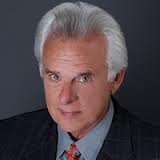
Dr Kirk Bronander
In his article Dr. Bronander first challenged the concept of a six month prognosis. He wrote:

The fact is that physicians frequently make errors with diagnosis and predicting timing of death in terminal conditions. My family has personal experience with this: My father was diagnosed with a malignant brain cancer (glioblastoma) and given a prognosis of less than six months to live. He survived for almost four years after his diagnosis. This is also well-documented in the medical literature: A study of hospice patients in the Chicago area showed that of 468 predictions of timing of death, only 20 percent were accurate. Inaccurate diagnoses or prognoses coupled with PAS will result in patients dying that may have years of life remaining.
Dr. Bronander then questioned the ability to regulate the lethal assisted suicide prescriptions. He wrote:
I trust many of my colleagues but there are always going to be some physicians that are unscrupulous, incompetent or unethical. That means this type of law can easily be abused. In Reno, Dr. Robert Rand contributed to the death at least one patient by overprescribing opioids. He did this for years even though opioids are the most highly regulated medications we can prescribe. The lethal drugs used for suicide will be much less scrutinized since there is no requirement for the federal government to monitor them. The law itself will protect the identity of the prescribing doctor, so no one will ever be able to determine if abuse is occurring. Do you trust every physician in Nevada?
Dr. Bronander then examines the effect legalizing assisted suicide has on the elderly and people who become depressed. He wrote:
Unfortunately, many elderly and terminal patients feel they are a burden to loved ones and this law will encourage suicide as an answer. The statistics from Oregon in 2017 (which has a similar law to the one proposed in Nevada) are clear that the reasons stated for obtaining the lethal prescription are for reasons other than pain. “Losing autonomy” is No. 1 and “burden on family, friends/caregivers” is a more frequent reason than “inadequate pain control,” which is sixth on the list. 
Many patients diagnosed with a terminal condition are depressed and there is no requirement to refer to psychiatry or counseling in the law. The Oregon statistics show that only 3.8 percent of patients receiving lethal drugs were referred for psychiatric evaluation while a 2008 study conducted in Oregon found 25 percent of patients requesting assisted suicide were clinically depressed. Depression is a treatable condition; obviously a completed suicide is not treatable.
Thankfully, Nevada's assisted suicide bill is dead in 2019. Sadly, the assisted suicide lobby will likely introduce another bill in 2020. Hopefully Dr Bronander's research will help Nevada, and other states, defeat future assisted suicide bills.

The NCET named Dr Kirk Bronander educator of the year in 2018.

Friday, March 15, 2019

Oregon's response to the Opioid crisis may increase requests for assisted suicide.

Alex Schadenberg
Executive Director - Euthanasia Prevention Coalition

I have written about the goal of the Oregon Health Plan to reduce Opioid prescriptions for people on medicaid by 2020. There is significant concern that chronic pain patients who require prescriptions for opioids will more likely ask their physician for assisted suicide as a response to insufficient pain control.
Will Oregon's plan to eliminate opioid prescriptions for chronic pain medicaid patients increase requests for assisted suicide?
An article by Markian Hawryluk published in the Bulletin on March 13 examines the response in Oregon to chronic pain patients. He writes:
Oregon’s efforts to prevent opioid overdoses have reached a difficult impasse: what to do with the chronic pain patients who are on high doses of opioids now considered unsafe. 
While some experts are warning about the potential harms of forcing stable pain patients off opioids, others insist reductions will benefit patients whether they want to make the change or not.
According to Hawryluk, Dr. Arian Nachat, a palliative care physician who claims that some chronic pain patients are asking for assisted suicide in response to unresolved chronic pain, Hawryluk writes:
Dr. Arian Nachat, a palliative care physician with Legacy Health, spoke about patients who sought out assisted suicide after being cut off of their opioids cold turkey. 
“I hear this story happening more and more,” she said. “We can’t force people off opioids.” 
Many medical professionals are also questioning the policy of the Oregon Health Plan.
In an article published by Governing.com Sharon Wrona, the immediate past president for Pain Management Nursing writes:
Patients with chronic pain often have limited treatment options because insurers refuse to cover many non-opioid treatments. In some states, laws prevent patients from getting medication for more than seven days at a time. These kinds of restrictions add further stress to people who are already suffering. Some patients say they'd rather die than live with the alternatives they've been given.
Pharmacist Steven Arians states in an article published in the Pharmacist:
Also, Oregon is one of a handful of states that has a “death with dignity” law allowing terminal patients to elect to end their life with assistance from their prescriber. When pain is not treated, bad things can happen. It can delay healing, decrease appetite, increase stress, disrupt sleep and ultimately cause anxiety and depression While these adverse physical health outcomes may make the patient eligible for using Oregon’s “death with dignity law”. Of course, if a Medicaid patient elects to go down this path, the Medicaid system stands to save untold tens of thousands of dollars in expenditures for these patients if they did not exercise for this option.
People who oppose believe in caring and not killing recognize that systems of limiting opioids cannot be based on a one size fits all formula. People who live with chronic pain need to have their pain controlled.

There are some people who will ask their doctors to end their life by assisted suicide if they are not provided adequate pain control. This is an example of how assisted suicide is not about compassion, choice or autonomy but rather assisted suicide threatens the life of people who are living through difficult circumstances.

We believe in caring not killing.

Thursday, February 28, 2019

Rise in Suicide Resulting from Lowered Painkiller Prescriptions

By Mary Lamphere

Suicide rates are on the rise and despite CDC reporting ignoring the fact that those who have their prescription pain medications ripped away from them are 30% more likely to commit suicide in the following 6 months, many are demanding change. Physicians for Responsible Opiate Prescribing (PROP) in conjunction with the CDC, are responsible for the fear tactics that have resulted in many physicians refusing to prescribe pain medication to long-term, chronic opioid therapy patients, despite the risks of abrupt discontinuation or the threat of suicide that has entailed. Sadly, recent reports show that this has led to a significant, and continued, rise in the number of chronic pain patients that are resorting to suicide as a means of getting “relief.”

Initiatives to STOP Prescribing

 
Several states and federal agencies have vowed to stop prescribing opiates even to those who legitimately need the medications in order to have any quality of life. The VA, state level authorities and several hospitals including the Colorado Hospital Association are working toward goals of zero opioid prescribing. Many have already enacted no-opioid policies and others are seeking similar relief programs to eradicate the use of opiates such as Hydrocodone, Oxycodone or Dilaudid in their treatment.

But what is this doing to those who have been prescribed the medications for months, or years prior?

Many resort to suicide—the only known method of treatment for their debilitating pain.

CDC Ignores Suicides

In 2016, the suicide rate was over 45K people in the U.S. this rivals rates of opiate overdose which were approximately 42,000. Nationwide, suicides have risen about 30% since the late 1990s and continue to rise in direct correlation with the number of opiate prescriptions that are reduced. However, despite the very specific correlation between the number of people dying by suicide compared to the reduction in the number of opiate prescriptions, the CDC fails to recognize the dangers and has yet to issue a true statement to doctors about this.

CDC can give vast information about WHO commits suicide and WHY. They mention that mental health is not always a factor and that things like substance abuse, physical health problems and financial problems are often the root cause of suicide. However, they fail to mention or to go into detail as to whether those who commit suicide are or were recently pain management patients.

When asked directly if lack of access to opioid medications could be contributing to the suicide rates of pain patients, the CDC mentions that they are not investigating the direct correlation between suicide deaths and lack of medication or treatment for pain. They go on to mention that the management of pain is an important issue that is being examined by the CDC, but that the CDC is only tracking prescriptions, NOT the quality of pain care.

Quality Meets Quantity

While we are opposed to getting more people addicted to prescription opiates such as Oxycodone or Hydrocodone, and we recognize the need for quality addiction treatment programs, we encourage the CDC to take further action and to look into the quality vs quantity question in relation to pain management. Are patients experiencing less quality of life due to a lower quantity of pain medications being made available to them on a daily basis?

In a recent survey of pain patients, over 40% mention that in the year since the CDC had made their guidelines public and since doctors had been cutting back on prescriptions, they had contemplated suicide because they considered their pain management to be so poorly treated. Further studies show that hundreds or thousands of patients that recently had their medications stripped away have committed suicide in the six months following erratic changes in their treatment.

Mary is a dedicated journalist at www.addictions.com and www.detox.com with a background in addiction treatment and recovery. She mostly writes about the ways that drug addiction can interfere with interpersonal relationships but enjoys all things recovery related. When she's not thinking about her writing, she enjoys spending time with family and friends.


More information on this topic:
Wesley Smith: Sacrificing pain patients to prevent opioid abuse.
Alex Schadenberg: Will Oregon's plan to eliminate opioid prescriptions for chronic pain medicaid patients increase requests for assisted suicide?
Nancy Valko: The Opioid crisis and suicide.
Amy Hasbrouck and Taylor Hyatt: Disability and the Opioid crisis.
Not Dead Yet: The Opioid crisis and the news that isn't talked about.

Wednesday, January 23, 2019

Sacrificing Pain Patients to Prevent Opioid Abuse

This article was published by the National Review online on January 23, 2019

By Wesley J Smith

Wesley J Smith
We certainly have an opioid addiction epidemic in this country that requires government action. But I worry that we may sacrifice the legitimate medical needs of patients in severe pain to protect people who abuse these powerful drugs from themselves.

That seems to be happening in California where the medical board has launched aggressive investigations into doctors whose patients died of an overdose — even if the drugs that caused death were not prescribed by that physician. Many doctors worry that this will create a significant chilling effect, leading to legitimate pain patients remaining untreated. From the California Healthline story:
Using terms such as “witch hunt” and “inquisition,” many doctors said the project is leading them or their peers to refuse patients’ requests for painkiller prescriptions — no matter how well documented the need — out of fear their practices will come under disciplinary review. 
The project, first reported by MedPage Today, has struck a nerve among medical associations. Dr. Barbara McAneny, the American Medical Association president and an Albuquerque, N.M., oncologist whose cancer patients sometimes need treatment for acute pain, called the project “terrifying.” She said “it will only discourage doctors from taking care of patients with pain.”… 
The crackdown on doctors has created fear, said Dr. Robert Wailes, a pain medicine specialist in Encinitas and chair of the California Medical Association’s Board of Trustees. “What we’re finding is that more and more primary care doctors are afraid to prescribe and more of those patients are showing up on our doorsteps,” he said.
As I reported here last year, the same chilling phenomenon seems to be happening in Nevada.

This is most unfortunate. Doctors should not be allowed to use their M.D. license as a cover for drug pushing. But responsible physicians should also not be punished for prescribing aggressively when there is no other practical means of providing effective medical relief. Surely, the benefit of the doubt in judging should go to alleviating pain.

And how’s this for a bitter irony? The same California doctors who could face punishment for prescribing pain pills to a patient outside the standard of care, can prescribe opioids to the terminally ill for use in suicide without worry since the only legal standard for death doctors is to act in “good faith.” Good grief, patients who can’t obtain adequate pain medication because of this aggressive enforcement action could conceivably be driven to seek such lethal prescriptions as the only readily available way out of their pain.

Wesley J. Smith is an author and a senior fellow at the Discovery Institute’s Center on Human Exceptionalism

Tuesday, July 24, 2018

Will Oregon's plan to eliminate opioid prescriptions for chronic pain medicaid patients increase the requests for assisted suicide.

Alex Schadenberg
Executive Director - Euthanasia Prevention Coalition


Steven Ariens (Pharmacist)
The National Pain Report published an article by pharmacist Steven R Ariens examining the policy of the Oregon Health Authority to stop prescribing opioids to chronic pain medicaid patients in 2019.


The article outlines the issue:

A proposed policy that would restrict Oregon chronic pain patients on Medicaid access to opioids for chronic pain as reported by the National Pain Report and others have created a stir in the chronic pain community. Columnist Steve Ariens, a retired pharmacist and spouse of a chronic pain patient submitted this opinion.

Oregon is set to eliminate all opiates from being prescribed for all chronic pain and Fibromyalgia patients on Medicaid by 2019. The Oregon Health Authority is considering expanding coverage for alternative therapies like aqua therapy, mindfulness and acupuncture.
Ariens argues that there is not enough data proving the effectiveness of alternative therapy but there is significant data proving the effectiveness of opioid use for chronic pain:
“They” tend to ignore and/or discount studies that have found that patients were found to be functioning quite well after 10 or more years on generally stable opioid dosages, with the vast majority of patients able to care for themselves, drive their cars etc.
“They” also tend to discount the reports that opiate prescriptions are down about 25% from their peak in 2011-2012.  While during the same time opiate OD’s have almost DOUBLED and the typical OD has 4 to 7 different substances in their toxicology report–including illegal Fentanyl analog, Heroin and Alcohol for “starters”. Most likely those ODs are not chronic pain patients who are using the opioid therapy to improve their individual quality of life.
Ariens then makes two points that are crucial to the issue, that being assisted suicide is legal in Oregon and the Oregon budget has a $1 Billion shortfall. Ariens states:
Also, Oregon is one of a handful of states that has a “death with dignity” law allowing terminal patients to elect to end their life with assistance from their prescriber. When pain is not treated, bad things can happen. It can delay healing, decrease appetite, increase stress, disrupt sleep and ultimately cause anxiety and depression While these adverse physical health outcomes may make the patient eligible for using Oregon’s “death with dignity law”. Of course, if a Medicaid patient elects to go down this path, the Medicaid system stands to save untold tens of thousands of dollars in expenditures for these patients if they did not exercise for this option.  

It is reported that Oregon has a $1-billion annual budget shortfall. Are these bureaucrats in Oregon working under the false pretense that if they curtail the prescribing/dispensing of legal opiates it will cause a dramatic reduction in the demand and addiction to opiates?
I am convinced that ending opioid prescriptions for medicaid patients in Oregon will lead to more requests for assisted suicide. When pain is not effectively controlled, people will experience greater levels of illness which will often lead to people becoming more desparate.

Assisted suicide is a cheaper alternative to treatment. Dead people don't require care.

Thursday, May 3, 2018

Pain Doctors Face Greater Scrutiny Than Death Doctors

This article was published by National Review online on May 3, 2018

Wesley Smith
By Wesley Smith

Our society often sacrifices law-abiding and productive people to protect the dysfunctional from themselves.

The current attack on opioid addiction threatens more of the same. To prevent over-prescribing and pill-pushing, pain patients who need strong drugs to function are being pushed off their proper dosages. The result too often? Agony.


Reason has a very good article on this problem in the current issue. I am not a believer in its libertarian approaches to drugs, but the article does a splendid job of describing how the well-being of legitimate pain patients are being sacrificed in the fight against opioid addiction. From, “America’s War on Pain is Killing Addicts and Leaving Patients in Agony“:
Some physicians have decided the safest course is to stop prescribing opioids altogether. “There are many pain clinics flooded with patients who have been treated previously by their primary care physician,” says Jianguo Cheng, president-elect of the AAPM. These refugees include patients who “have been functional” and “responding well” to opioids for “many years.” 
Schnoll sees similar problems. “Pain is still undertreated, and unfortunately it’s getting worse because of the backlash that’s occurring,” he says. “I still get calls from patients whom I treated years ago, who were on stable doses of medication, doing very well, who have chronic pain conditions, and they can’t get medication to treat their pain. They’re being taken off medication on which they had done very well for years.” 
One such patient, a former cable company salesman named John, successfully used OxyContin to treat the back pain caused by injuries sustained during a mugging in 2011. Before he found a medication that worked for him, he recalls, “my wife was about to leave me, because I was a miserable bastard. When you’re in that much pain, you want to just go to sleep and not wake up.” 
After the CDC guidelines came out, John was told that his daily dosage had to be cut in half. “My whole life turned upside down in a matter of 30 days,” he says. “I’m back in bed now. I can’t really get up very much, and I’m right back where I started in 2011.”
The story has other such awful examples of functional lives on pain medication ruined by doctors afraid to treat their patients’ adequately or abandoning them for fear of government scrutiny. It’s very worth your time reading.

And here’s the thing: At a time when assisted-suicide pushers fear-monger about unrelieved pain as a reason to legalize doctor-prescribed death, physicians are so afraid of the feds they leave some pain patients in the lurch, thereby unintentionally pushing them toward suicide — assisted and otherwise.

Making matters worse, doctors who intentionally prescribe lethal doses of opioids for use in assisted suicide have far greater legal protections than physicians who prescribe the same drugs responsibly to control pain.

What, Wesley? How is that possible?

Assisted-suicide laws merely require that doctors act in “good faith,” such a low standard of care that it is almost impossible to violate barring malicious intent.

In contrast, drug laws hold pain-control doctors to a much stricter and detailed standard of care — which places the palliative clinician under greater legal risks for making mistakes.

So, here’s where we are:
  • Legitimate pain patients are being abandoned to agony that could be relieved because the responsible are being swept up with the dysfunctional and criminal.
  • Doctors who practice the difficult specialty of controlling pain find themselves increasingly under a darkening cloud of suspicion and greater threat of government scrutiny.
  • Doctors who prescribe opioids to patients for use in assisted suicide are free to do so with without worry about oversight or accountability.
Talk about a topsy-turvy world.

Wednesday, April 11, 2018

The Opioid Crisis and Suicide

This article was written by Nancy Valko and published on her blog on April 10, 2018

Nancy Valko
By Nancy Valko

Statistics show that more than 115 Americans a day die after overdosing on opioids. Opioids are a class of drugs that include both illegal drugs like heroin and legal prescription pain relievers such as codeine and morphine.

We are told that we have an opioid crisis that needs immediate solutions such as suing drug manufacturers, spending more on drug treatment centers, making drugs like Narcan more available to reverse the overdose if given in time, prescribing few-in any-opioids after surgery, adding more drug education in schools, etc.

Some of these ideas are worthy but are we missing a big existential part of the problem?

In a recent Kaiser Health News article asking “How Many Opioid Overdoses are Suicides?”, reporter Martha Bebinger relates a heartbreaking interview with a young drug addict:

“She wanted to be dead, she said, glancing down, a wisp of straight brown hair slipping from behind an ear across her thin face. 
At that point, said Ohlman, she’d been addicted to opioids — controlled by the drugs — for more than three years. 
“And doing all these things you don’t want to do that are horrible — you know, selling my body, stealing from my mom, sleeping in my car,” Ohlman said. “How could I not be suicidal?… “You realize getting clean would be a lot of work,” Ohlman said, her voice rising. “And you realize dying would be a lot less painful. You also feel like you’ll be doing everyone else a favor if you die.”” (Emphasis added)

Having had a daughter with drug addiction and relapses for 16 years who finally succumbed to suicide in 2009 using a horrific assisted suicide technique, I recognize the same pain this young woman expresses. I also know the frustration and fears of families and friends desperate to help.

The Kaiser article goes on to quote Dr. Maria Oquendo, immediate past president of the American Psychiatric Association, who said that “[Based on the literature that’s available], it looks like it’s anywhere between 25 and 45 percent of deaths by overdose that may be actual suicides,” *(Emphasis added).

The article also quotes a pair of distinguished economists who say that “opioid overdoses, suicides and diseases related to alcoholism are all often ‘deaths of despair’” caused by “underlying deep malaise”. (Emphasis added)

We have both a suicide and a drug crisis that often overlap due to an overwhelming sense of hopelessness and helplessness.

Examining the scope of the problem.

As psychiatrist Dr. Oquendo notes in a related article, US suicide rates were declining until they “abruptly stopped in 1999” and now have increased 25%, especially among adolescent girls.

Now, there are about 123 reported suicides per day in the US but the real figure may be as high as 3 to 5 times that number because many suicides go unreported as suicide because of reasons like the stigma of suicide and the difficulty in determining intent.

Additionally, nearly half of US adults have a close friend or family member with a current or past drug addiction.

We have more drug treatment centers and suicide prevention programs than ever (with unfortunately varying levels of quality and allowed family involvement) but the problems continue to persist and even worsen.

Conclusion

What has happened in the US since suicide rates started rising two decades ago and drug abuse has surged?

First, we must recognize that American culture, law and politics changed radically in the last two decades and this has drastically affected all of us, especially our young people. For example, the legalization and glamorization of assisted suicide and mind altering drugs like recreational marijuana have not helped anyone want to embrace personal responsibility and caring for others as worthy goals.

We also now have a culture where religious values are often derided as judgmental and even harmful to social progress. Obscene language and violent, hypersexualized entertainment is applauded as liberating rather than offensive. Having children is portrayed as more of a potential economic, professional and personal burden rather than a joyful manifestation of love, commitment and family.

We owe our society and especially our young people a more hopeful, less selfish view of life rather than just the pursuit of money, fame and pleasure.

Without a strong foundation of love, strong ethics and ideals, the resilience required to weather both the ups and downs of life without drugs or succumbing to suicide can be lost.

As much as we need good, affordable suicide and drug treatment programs, we adults also need to be examples of a truly “good life” and step up to fight the dangerous influences that are killing our young people.

And we must never give up!

Friday, March 23, 2018

Disability and the Opioid Crisis


By Amy Hasbrouck and Taylor Hyatt
Toujours Vivant - Not Dead Yet.

Register for the weekly Tourjours Vivant-Not Dead Yet Vlog at (Link).


This week, we’re talking about the “opioid crisis” and its impact on people with disabilities. For many people, the first picture that comes to mind when hearing the term “opioid crisis” is a person who, addicted to doctor-prescribed pain medication, dies of an overdose of that medication.

The current “opioid crisis” is just the latest go-round of the repeating cycle of anti-drug hysteria that has marked drug policy in North America for a century. Earlier cycles focused on alcohol, marijuana, cocaine, psychedelics, and, of course, opioids. Some features of the anti-drug hysteria cycle:

  • Exaggerating the numbers of addicts 
  • Prohibition measures are increased  
  • Drug prices rise and people commit crimes to get money to buy drugs.  
  • Drugs are mixed with other substances and new drugs are developed, resulting in more dangerous compounds and more deaths.  
  • Governments use high crime rates to justify increasing penalties for drug offenses and law enforcement budgets, instead of providing addiction treatment services. Poor people and people of colour bear the brunt of criminal penalties, social and economic hardship.  
  • Scare publicity (drug prevention slogans, urban legends and exaggerated claims of risk) draws attention to the targeted drug, rather than warning people away, thus making the drug more popular. 
  • Law enforcement and organized crime benefit from increased funding and higher profits.
  • Eventually someone figures out (or remembers) that these policies have never worked and cause more problems than they solve. The publicity is toned down, and the severe drug laws may or may not be repealed. 

Thursday, February 22, 2018

Not Dead Yet: The Opioid Crisis the News Isn’t Talking About

Response to RFI – Opioid Public Health Emergency[1] 
February 20, 2018
We are members of Not Dead Yet, a national grassroots disability rights organization, and some of us are living with chronic pain ourselves. Based on our knowledge of the disability community through personal experience and through our work, we have not seen disabled people with chronic pain experiencing opioid use disorder. What we are seeing is many disabled people who are suffering due to the lack of access to opioid medication[2]  previously available as part of comprehensive strategies and approaches to address chronic pain. They are experiencing an increase in chronic pain and other symptoms associated with that pain. Disabled people and others with chronic pain are rarely the ones who are abusing opioids,[3] but they are the ones who are having to deal with chronic pain symptoms without access to medications that made this pain more tolerable.

That is not to say that some disabled people will not have opioid use disorder. However, from our observation, chronic pain is not a causal factor[4] in who has abused opioids. Instead, opioids are a mitigating factor in how independent those with chronic pain are able to be. Having to deal with chronic pain with no relief, when opioid medication prevented such pain, can greatly affect the quality of life[5] disabled people with chronic pain have. It can affect their ability to perform activities of daily living. It can affect their ability to sleep. It can affect their mood. It can affect their productivity. Those with chronic pain that is untreated or mistreated are more likely to be depressed,[6] and depression itself can also be linked[7] to physical pain. Being depressed and in pain can also make disabled people more susceptible to suicidal ideation,[8] especially when there is seemingly no relief to the long-term pain they experience.

For some disabled people, opioids are the only medication or treatment that can help their pain. Now, those who have chronic pain are treated with suspicion,[9] as though they are abusing opioids, especially by medical personnel at doctors’ offices and hospitals when they seek out this medication. Doctors are increasingly afraid and unwilling[10] to prescribe opioids, so instead of continuing effective treatment for those who have seen great benefits from using these medications, too often doctors are essentially abandoning those who truly need access to opioids.

Opioid abuse is a problem, but it is not a problem for the overwhelming majority[11] of the disability community or others with chronic pain. It’s a problem for those who have already been abusing these medications. Those are typically not people who need these medications to handle long-term chronic pain.

Yet, as sometimes misguided approaches to addressing the opioid crisis are hastily undertaken across the country, the very individuals, who benefit greatly in terms of health and productivity from continued opioid use as part of a comprehensive pain management strategy, are the people who face the most scrutiny and harm by not having access to medically necessary and appropriate medication.

HHS/ACL must recognize the harmful effects of a misguided crackdown on the legitimate use of opioids for chronic pain, educate state governments and providers about research on this issue, and discourage federal, state and local programs that do more harm than good in addressing the opioid crisis.

[1] https://www.acl.gov/sites/default/files/about-acl/2018-01/Final_RFI_Opioid_Use_Disorder_PwD_Jan2018.pdf
[2] Andrew Rosenblum, et al., Opioids and the Treatment of Chronic Pain: Controversies, Current Status, and Future Directions (2008)https://www.ncbi.nlm.nih.gov/pmc/articles/PMC2711509/
[3] Maia Szalavitz, Opioid Addiction Is a Huge Problem, but Pain Prescriptions Are Not the Cause (Scientific American, May 10, 2016)https://blogs.scientificamerican.com/mind-guest-blog/opioid-addiction-is-a-huge-problem-but-pain-prescriptions-are-not-the-cause/
[4] Michael A, Yokell, et al., Presentation of Prescription and Nonprescription Opioid Overdoses to US Emergency Departments (Jama Intern Med, Dec 2014)https://jamanetwork.com/journals/jamainternalmedicine/fullarticle/1918924
[5] McCarberg BH, et al., The impact of pain on quality of life and the unmet needs of pain management: results from pain sufferers and physicians participating in an Internet survey (Am J Ther 2008) https://www.ncbi.nlm.nih.gov/pubmed/18645331
[6] Bair MJ, et al., Depression and pain comorbidity: a literature review, (Arch Intern Med, Nov 2003) https://www.ncbi.nlm.nih.gov/pubmed/14609780
[7] Madhukar H. Trivedi, M.D., The Link Between Depression and Physical Symptoms (Prim Care Companion J Clin Psychiatry, 2004)https://www.ncbi.nlm.nih.gov/pmc/articles/PMC486942/
[8] Beverly Kleiber, et al., Depression and Pain (Psychiatry, May 2005) https://www.ncbi.nlm.nih.gov/pmc/articles/PMC3000181/
[9] Chronic pain patients say opioid crackdown is hurting them (Chicago Tribune, June 5, 2017) http://www.chicagotribune.com/lifestyles/health/ct-opioid-patients-backlash-met-20170603-story.html
[10] Kelly K. Daneen, et al., Between a Rock and a Hard Place: Can Physicians Prescribe Opioids to Treat Pain Adequately While Avoiding Legal Sanction? (Am J Law Med 2016)https://www.ncbi.nlm.nih.gov/pmc/articles/PMC5494184/

[11] Nobel M, et al., Opioids for long-term treatment of noncancer pain (Cochrane, Jan 2010) http://www.cochrane.org/CD006605/SYMPT_opioids-long-term-treatment-noncancer-pain