Showing posts with label Marilyn Golden. Show all posts

Tuesday, September 24, 2019

Webinar: Disability Rights Opposition to Assisted Suicide laws.

Announcing!
Webinar: Disability Rights Opposition
To Assisted Suicide Laws
Wednesday, October 30, 2019, 
3:00-4:30 pm Eastern Time
What Will You Gain By Attending:
  • Familiarity with the key issues, arguments and common questions
  • Materials that explain, detail, and document individual cases of assisted suicide problems and abuses
  • Understanding what disability has to do with assisted suicide
Speakers:
  • Anita Cameron, Director of Minority Outreach, Not Dead Yet
  • Diane Coleman, President/CEO, Not Dead Yet
  • Marilyn Golden, Senior Policy Analyst, Disability Rights Education & Defense Fund
  • John Kelly, Director, Second Thoughts Massachusetts
Topics Include:
  • What is Assisted Suicide?
  • What’s disability got to do with it?
  • Deadly mix between assisted suicide & pressures to cut healthcare costs
  • Elder and disability abuse; effects on other constituencies
  • Palliative care and palliative sedation can address pain
  • Failure of so-called “safeguards”
  • Minimal data and fatally flawed oversight, no investigation of abuse
  • Suicide contagion
  • What’s happening in Canada and other countries?
  • Take action!
For More Information: mgolden@dredf.org

Wednesday, June 13, 2018

California can right the wrong of assisted suicide

The following article was published as an opinion column by The Press Enterprise on June 12, 2018

By Marilyn Golden - Senior policy analyst, Disability Rights Education and Defense Fund.

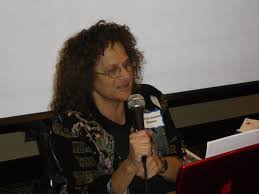
Marilyn Golden
California made a mistake by legalizing assisted suicide, but now it has a chance to correct its error. California’s assisted suicide law was overturned by Judge Daniel Ottolia because the legislative process was not properly followed. If Judge Ottolia’s ruling stands, it will be a great protection for people with terminal illness, economic disadvantage, and especially people with disabilities.

But California Attorney General Xavier Becerra is appealing Judge Ottolia’s ruling in an effort to once again make assisted suicide legal in California. It is disappointing to see the person responsible for upholding the rule of law and the state’s constitution, defending an illegally passed law. No matter the procedural problem this court decision is based upon, disability rights advocates are opposed to assisted suicide laws because they have harmful impacts on people with disabilities.

Sign our petition: Say NO to assisted suicide in California. (Link).

Contrary to much of the rhetoric surrounding this debate, pain is not the top reason cited in most cases of assisted suicide. The California law is virtually the same as Oregon’s, the first assisted suicide law in the U.S. According to a recent report by the Oregon Public Health Division, the top five reasons for requesting suicide drugs by the patients were:
  • “Losing autonomy” (89.5 percent)
  • “Less able to engage in activities making life enjoyable” (89.5 percent)
  • “Loss of dignity” (65.4 percent)
  • “Losing control of bodily functions” (36.8 percent)
  • “Burden on family, friends/caregivers” (48.9 percent)
Each of these concerns describe what people with disabilities experience on a daily basis. These numbers strongly suggest that it is disability, or fear of disability, behind most assisted suicides under Oregon’s so-called model law. Further, this speaks volumes about our society and how it is terrified of living with a disability or caring for someone who lives with a disability.

Also alarming is that people experiencing depression may not be protected from obtaining lethal drugs. This occurred, for example, to Oregonian Michael Freeland. He had a 43-year history of depression and suicide attempts. Yet when Freeland saw a doctor about arranging an assisted suicide, the physician said he didn’t think that a psychiatric consultation was “necessary.” But the law’s supporters frequently insist that as a key safeguard, depressed people are ineligible for assisted suicide. If Oregon’s safeguards are claimed to be so thorough, how did Michael Freeland receive lethal drugs?

Like in other states where assisted suicide is legal, the “safeguards” built into California’s law are hollow. If a person fails to qualify for assisted suicide by one doctor’s evaluation, that person or their family, as in the case of Portland, Oregon, resident Kate Cheney, can shop for a doctor who will give them the lethal dose, over and over again if necessary.

As a disability rights advocate, there is no doubt in my mind that assisted suicide will have a profound negative impact on public insurance coverage of expensive medical treatment. This has also happened in Oregon, including to cancer patient Barbara Wagner, whose insurer denied coverage for a particular prescribed chemotherapy regimen. However, she was instead offered drugs that would have killed her by assisted suicide. Do we really think insurance companies will do the right thing, or the cheap thing?

Judge Ottolia’s ruling has provided a golden opportunity for California to reassess its stance on assisted suicide and expand access to palliative care and in-home and community-based personal care services. Lack of access to services is a pervasive problem for the disability community. However, allowing assisted suicide to be reinstated in California would undermine efforts to fix this problem, by allowing the cheaper, easier option of hastening one’s death as the only alternative to which everyone has equal access.

Suicide is not medical care, and we should not treat it as such. We urge California to seize this opportunity to help people with terminal illness, with economic disadvantage, and with disabilities by accepting Judge Ottolia’s ruling and rejecting the assisted suicide law. California should provide vulnerable people with authentic help, not this dangerous so-called medical treatment.

Marilyn Golden is a senior policy analyst with the Disability Rights Education and Defense Fund.

Tuesday, June 12, 2018

Disability Advocates Concerned as AMA Refers Assisted Suicide Policy for More Study

For Immediate Release: June 11, 2018

Contacts:
Diane Coleman 708-420-0539
Marilyn Golden 510-549-9339

Disability rights advocates led by Not Dead Yet are concerned with the American Medical Association’s decision today to continue studying the issue of physician assisted suicide. While the AMA’s longstanding policy against assisted suicide still stands, a simple affirmation of the policy was defeated in a 46-53% vote.

The current AMA policy states, in essential part:

“[P]ermitting physicians to engage in assisted suicide would ultimately cause more harm than good.

“Physician-assisted suicide is fundamentally incompatible with the physician’s role as healer, would be difficult or impossible to control, and would pose serious societal risks.”
Two years ago, some AMA members raised the possibility of taking a neutral stance on the issue, and the matter was referred to the AMA’s Council on Ethical and Judicial Affairs. After two years of study, the Council recommended that the AMA maintain its policy opposing assisted suicide, but this recommendation was not accepted and the matter was referred back for further study.
“We had hoped that the AMA would follow the Council’s lead and affirm current policy once and for all,” said Diane Coleman, president and CEO of Not Dead Yet, a national disability organization. “Assisted suicide proponents have repeatedly tried to make this a culture war issue, ignoring the strong opposition of the AMA and other medical organizations, as well as numerous national disability organizations. But we’ll keep fighting for this critical protection for patients.”
The top three concerns raised by disability advocates in opposing assisted suicide bills have been:
  • If insurers deny, or even merely delay, expensive live-saving treatment, the person will be steered toward assisted suicide. Will insurers do the right thing, or the cheap thing? 
  • Elder abuse, and abuse of people with disabilities, are a rising problem. Where assisted suicide is legal, an heir (someone who stands to inherit from the patient) or abusive caregiver may steer someone towards assisted suicide, witness the request, pick up the lethal dose, and even give the drug — no witnesses are required at the death, so who would know? 
  • Diagnoses of terminal illness are often wrong, leading people to give up on treatment and lose good years of their lives, and endangering people with disabilities, people with chronic illness, and other people misdiagnosed as terminally ill.
Coleman has analyzed the Oregon state assisted suicide data and found that it substantiates a number of their concerns. This information was included in Not Dead Yet’s second of two formal submissions to the AMA Council on Ethical and Judicial Affairs.
“If assisted suicide is legal, some people’s lives will be ended without their consent, through mistakes, coercion and abuse,” said Marilyn Golden, senior policy analyst with the Disability Rights Education and Defense Fund. “No safeguards have ever been enacted or even proposed, that can prevent this outcome, which can never be undone.”

Thursday, September 28, 2017

Members Introduce Bipartisan Resolution on the Dangers of Legalizing Assisted Suicide

For Immediate Release - September 27, 2017
Contact Hailey Sadler (202) 225-3164

Full text of the resolution is available here.

WASHINGTON, D.C. – Today, Rep. Brad Wenstrup (R-OH), along with Rep. Lou Correa (D-CA), Rep. Andy Harris, M.D. (R-MD), Rep. Juan Vargas (D-CA), Rep. Darin LaHood (R-IL), Rep. James Langevin (D-RI), Rep. Ralph Abraham, M.D. (R-LA), Rep. Daniel Lipinski (D-IL), Rep. Keith Rothfus (R-PA), and Rep. Tom Suozzi (D-NY) introduced H. Con. Res. 80, expressing the sense of Congress that legalizing physician-assisted suicide puts the most vulnerable of our society at risk of deadly harm and undermines the integrity of America’s healthcare system. They issued the following joint statement:
“Protecting the vulnerable and providing quality care for all patients are cornerstones of any good healthcare system. Included in that is providing comfort and care for those facing the heart-wrenching challenges of dealing with a potentially terminal illness. In some cases, this commitment to fighting for the best care – even in the face of the most deadly diseases – can result in new and innovative cures, offering the chance of recovery for both the patient and for others suffering in the future. In other cases, it is simply a question of offering end-of-life comfort and support.

Physician-assisted suicide, however, does the opposite. It undermines a key safeguard that protects our nation’s most vulnerable citizens, including the elderly, people with disabilities, and people experiencing psychiatric diagnoses. Americans deserve better.

We will continue to defend every human being’s inherent dignity, and work to ensure patients facing the end of their lives have access to the best quality and most comprehensive medical care possible, including palliative, in-home, or hospice care, tailored to their individual needs. When governments support, encourage, or facilitate suicide – whether assisted by physicians or others – we devalue our fellow citizens, our fellow human beings. That should not be who we are."

Full text of the resolution is available here.

Nonpartisan patients’ rights and disability rights advocacy organizations across the country have spoken out in strong support of this bipartisan resolution, including:

Patients Rights Action Fund:

“Many do not realize that people battling terminal illness, people with disabilities and others are inadvertently targeted by the legalization of assisted suicide. I am grateful to Congressmen Correa, Vargas, Wenstrup and all of the other cosponsors for introducing this Sense of Congress resolution,” said J.J. Hanson, President and a terminal brain cancer patient. “This bill brings attention to this important issue and takes a big step toward protecting me and so many others from a death-too-soon.”
National Council on Independent Living: 
“Our society places a high value on physical appearance and ability, and stigmatizes significant disability. It's no surprise that those of us who grew up able-bodied and then became disabled might initially see disability as a huge loss of one’s former dreams and physical abilities,” said Kelly Buckland, Executive Director. “When someone is first hit with this, they may feel they’d be better off dead. As one struggles to get basic needs met, some people feel worn down. If assisted suicide had been legal in the past, even if it were supposedly only for those with “terminal” conditions, I might not be here today. I’m grateful that assisted suicide was not legal back then, and I'm committed to keeping it that way. This is an important reason why the National Council on Independent Living opposes assisted suicide laws. NCIL is a leader in the disability rights movement, our political struggle for equal rights. And, among other things, equal rights include equal suicide prevention.”
Disability Rights Education & Defense Fund (DREDF): 
“Where assisted suicide is legal, some people’s lives will be ended without their consent, through mistakes and abuse. No safeguards have ever been enacted or even proposed that can prevent this outcome, which can never be undone,” said Marilyn Golden, Senior Policy Analyst. “The so-called safeguards are very weak, and the lack of oversight hides these dangers from public view. Moreover, assisted suicide laws are a prescription for elder abuse and abuse of people with disabilities. Supporters of assisted suicide say such laws won’t affect disabled people—but they will, whether or not they realize it. But there is a legal alternative: anyone dying in discomfort may legally receive palliative sedation. Under these circumstances, assisted suicide is not real choice, but a phony form of freedom.”
ADAPT: 
“Disabled people and seniors who need assistance with everyday tasks like dressing and bathing want the choice to get those services at home and to have control over how they’re delivered. We do not want to be forced into a nursing facility, nor forced to live in poverty to qualify. Unfortunately, that choice is not a reality for most of us. In states that have legalized assisted suicide, Oregon data shows, over a third of those who request assistance to die do so because of “feelings of being a burden” and over 90% cite “loss of autonomy” as a factor,” said Stephanie Woodward, Director of Advocacy. “If the only alternative to death is poverty and segregation in nursing facilities, assisted suicide is not a “choice.” Society is failing to ensure access to consumer controlled long-term services. The last thing we need in this time of draconian budget cuts in Medicaid is the legalization of assisted suicide laws, because the untimely deaths of disabled Americans can easily be seen as a cost saving answer.
Not Dead Yet: 
"As a national, secular, social justice organization, Not Dead Yet strongly supports this bipartisan effort to speak truth to the many myths about legalized assisted suicide," said Diane Coleman, President/CEO. "As Americans with disabilities, we are on the front lines of the nation's health care system that often devalues old, ill, and disabled people. So we are grateful for this Sense of Congress that explains the dangers of mistake, coercion, and abuse under a public policy of assisted suicide."
Physicians for Compassionate Care Education Fund: 
"Empowering doctors to assist patients in killing themselves has led to an inevitable erosion of trust in the motives of doctors, health care institutions, and insurers. This has been detrimental to patients, degraded the quality of medical care, and compromised the integrity of medical profession wherever assisted suicide has been legalized,” Dr. William F. Toffler, National Director. “The solution to suffering is not to end the life of the sufferer; rather society's focus at the end of life should be to alleviate suffering by improving access to hospice and palliative care whenever it is needed."
The Euthanasia Prevention Coalition supports H. Con. Res. 80 and we hope that the resolution will open the doors to a new awareness of how assisted suicide laws are designed to protect doctors who prescribe lethal drugs to their patients and eliminate, not provide choice. Link to the official Text - H. Con. Res. 80.

Tuesday, May 30, 2017

Disability activists rally against assisted suicide at NY court of appeals

Press Release
For Immediate Release:

May 30, 2017
Contacts:
Diane Coleman 708-420-0539 dcoleman@notdeadyet.org
Adam Prizio 518-320-7100 (office) 603-518-4910 (cell) aprizio@cdrnys.org


Disability rights activists from across the state will rally as the New York Court of Appeals hears oral arguments Tuesday afternoon, May 30th in the Myers v. Schneiderman assisted suicide case.

Not Dead Yet led the filing of a Disability Rights friend-of-the-court brief in the Court of Appeals in support of the New York State Attorney General, and earlier rulings in the case by the Supreme Court and Appellate Division, both of which dismissed a case seeking to legalize physician assisted suicide.

Joining in the Not Dead Yet brief were ten other national and New York state disability rights organizations: ADAPT, the Autistic Self Advocacy Network, the Center for Disability Rights, the Disability Rights Center, the Disability Rights Education & Defense Fund (DREDF), the National Council on Independent Living, the New York Association on Independent Living, Regional Center for Independent Living and United Spinal Association, collectively referred to as the “Disability Rights Amici.”

New York attorney Adam Prizio handled the filing on behalf of the disability organizations. “Our basic position is that when some people get suicide prevention while other people get suicide assistance, and the difference is the person’s age, disability or health status, that’s unlawful discrimination,” said Prizio. “It’s a problem that certain people are being told that others not only agree with their suicide, which is bad enough, but will even help them carry it out. It’s a deadly form of discrimination and, as our brief says, it violates the Americans with Disabilities Act.”

Marilyn Golden, senior policy analyst with DREDF, summarizes concerns about a government authorized, medically administered public policy of assisted suicide as follows: 
“If assisted suicide is legalized, some people’s lives will be ended without their consent, through mistakes and abuse. No safeguards have ever been enacted or proposed that can prevent this outcome, which can never be undone.”
Disability advocates are often criticized by assisted suicide proponents who claim that assisted suicide is only for the terminally ill, not people with disabilities. Activists will distribute information which refutes that claim based on data from Oregon, where it is legal.

The brief also expresses concerns about the context of health care cost-cutting in which assisted suicide is being advocated. “Elders and people with disabilities too often face economic or other pressures to get out of the way,” said Diane Coleman, president/CEO of Not Dead Yet. 
“If assisted suicide becomes an accepted practice, coverage may be denied for more expensive healthcare, as we’ve already seen in Oregon and California. What is being promoted as a ‘right to die’ could very quickly become an expectation, even a duty to die in this climate.”

Sunday, November 27, 2016

Iowa newspaper uncovers abuse of assisted suicide laws and pressure to extend it to lethal injection (euthanasia).

Alex Schadenberg
Executive Director - Euthanasia Prevention Coalition

The Des Moines Register newspaper published an in-depth examination of the practice of assisted suicide in Oregon and Washington State and uncovered significant problems. They learned that the data is incomplete, that there missing reports (under-reporting) and that the laws are not effectively monitored.

They also found that the assisted suicide lobby wants to extend assisted suicide laws to permit euthanasia or lethal injection.


Des Moines Register columnist, Kyle Munson, and investigative reporter, Jason Clayworth examine the practice of assisted suicide in America by analyzing the data and interviewing leaders from both sides of the assisted suicide debate. Their report was published on November 25, 2016.


The report states that Betsy Davis, who died by assisted suicide in California, received assistance in administering the lethal dose bringing into question the meaning of the term "self-administer." According to the report:
So when it came time to end her life under a new California law for the terminally ill, her caregivers propped her up and held the cup as she drank a fatal mix of prescription drugs. 
But physical assistance in taking the toxic medications is illegal, multiple experts contend. The report then examines the meaning of "self-administer." 
Kelly and Okray, Betsy's caregiver, were left with a lingering question: Is there an easier way to do this? 
Kelly said she also was troubled by the legal gray area: Had they violated the "self-administer" clause of California's law? 
The law defines “self-administer" as the “physical act of administering and ingesting the aid-in-dying drug to bring about his or her own death.”

"That doesn't mean they couldn't hold a cup that a person is drinking out of," said Matt Whitaker, state director in California of the organization, which supports assisted-suicide laws. "That would be fine."
Jennifer Holm
Jennifer Holm, who lobbies for assisted suicide in Iowa, stated that concerns with the definition of "self-administer" would be solved by legalizing euthanasia (lethal injection). According to the report:

Holm has been one of Iowa’s most outspoken advocates for assisted suicide. She says the data tell her that doctors should be allowed not only to prescribe the lethal drugs but to administer them as well, to help avoid complications.
The report not only uncovers problems with the definition of "self-administer" it also uncovers problems with the practice of assisted suicide laws. The report states:
Marilyn Golden (disability leader)
“Assisted suicide is nearly untraceable. There is minimal reporting and tracking,” said Marilyn Golden, a senior policy analyst for the Disability Rights Education & Defense Fund in California. “It almost appears as if the practice of assisted suicide has deliberately been made secretive, all with the claim of patient confidentiality.” 
Among the 1,642 documented assisted suicides in Oregon and Washington since the states began reporting statistics in 1998 and 2009, respectively, the Register found: 
  • COMPLICATIONS: At least 38 people (about 2.5 percent) experienced complications as they were dying, including regurgitation of the fatal medicine, seizures or waking up after taking the medication. 
  • INCOMPLETE RECORDS: At least 478 deaths occurred without record of key details, such as whether complications occurred. At least 203 people have died without a record of whether the deaths were from ingesting medication or from natural causes. 
  • PROLONGED DEATHS: In 2009, a person in Oregon took more than four days to die after taking the lethal medication. Of the two states, Washington had the most complete data. For deaths where time was recorded, 17 percent took 91 or more minutes. In Oregon, the median time before death in 2015 was 25 minutes.
  • NO DATA: Two of the states where assisted suicide is an option — Vermont and Montana — do not track deaths at all. Data from California and Colorado, the most recent states to legalize assisted suicide, is not yet available.
The Des Moines Register report uncovers similar abuses and problems with assisted suicide in Oregon and Washington State as reported by the Euthanasia Prevention Coalition.

Tuesday, October 4, 2016

Oregon State Assisted Suicide Reports Substantiate Critics’ Concerns

The following article was written by Diane Coleman, a lawyer and President of the disability rights group - Not Dead Yet, and published on the Not Dead Yet website on October 4, 2016.

O
Diane Coleman
ne of the most frequently repeated claims by proponents of assisted suicide laws is that there is “no evidence or data” to support any claim that these laws are subject to abuse, and that there has not been “a single documented case of abuse or misuse” in the 18 reported years. These claims are demonstrably false.

Regarding documented cases, please refer to a compilation of individual cases and source materials pulled together by the Disability Rights Education and Defense Fund entitled Oregon and Washington State Abuses and Complications. For an in-depth analysis of several cases by Dr. Herbert Hendin and Dr. Kathleen Foley, please read Physician-Assisted Suicide in Oregon: A Medical Perspective.

The focus of the discussion below is the Oregon Health Division data. These reports are based on forms filed with the state by the physicians who prescribe lethal doses and the pharmacies that dispense the drugs. As the early state reports admitted:
“As best we could determine, all participating physicians complied with the provisions of the Act. . . . Under reporting and noncompliance is thus difficult to assess because of possible repercussions for noncompliant physicians reporting to the division.”
Further emphasizing the serious limits on state oversight under the assisted suicide law, Oregon authorities also issued a release in 2005 clarifying that they have No authority to investigate Death with Dignity case.

Nevertheless, contrary to popular belief and despite these extreme limitations, the Oregon state reports substantiate some of the problems and concerns raised by opponents of assisted suicide bills.

Non-Terminal Disabled Individuals Are Receiving Lethal Prescription In Oregon

The Oregon Health Division assisted suicide reports show that non-terminal people receive lethal prescriptions every year.

The prescribing physicians’ reports to the state include the time between the request for assisted suicide and death for each person. However, the online state reports do not reveal how many people outlived the 180-day prediction. Instead, the reports give that year’s median and range of the number of days between the request for a lethal prescription and death. This is on page 7 of the 2015 annual report. In 2015, at least one person lived 517 days; across all years, the longest reported duration between the request for assisted suicide and death was 1009 days. In every year except the first year, the reported upper range is significantly longer than 180 days.

The definition of “terminal” in the statute only requires that the doctor predict that the person will die within six months. There is no requirement that the doctor consider the likely impact of medical treatment in terms of survival, since people have the right to refuse treatment. Unfortunately, while terminal predictions of some conditions, such as some cancers, are fairly well established, this is far less true six months out, as the bill provides, rather than one or two months before death, and is even less true for other diseases. Add the fact that many conditions will or may become terminal if certain medications or routine treatments are discontinued – e.g. insulin, blood thinners, pacemaker, CPAP – and “terminal” becomes a very murky concept.

The state report’s footnote about “other” conditions found eligible for assisted suicide has grown over the years, to include:
“. . . benign and uncertain neoplasms, other respiratory diseases, diseases of the nervous system (including multiple sclerosis, Parkinson’s disease and Huntington’s disease), musculoskeletal and connective tissue diseases, cerebrovascular disease, other vascular diseases, diabetes mellitus, gastrointestinal diseases, and liver disease.”
Overall in 2015, 7%, or 68 individuals, had conditions classified as “other”. In addition, it should be noted that the attending physician who determines terminal status and prescribes lethal drugs is not required to be an expert in the disease condition involved, nor is there any information about physician specialties in the state reports.

The Only Certifiers of Non-Coercion And Capability Need Not Know the Person


Four people are required to certify that the person is not being coerced to sign the assisted suicide request form, and appears capable: the prescribing doctor, second-opinion doctor, and two witnesses.

In most cases, the prescribing doctor is a doctor referred by assisted suicide proponent organizations. (See, M. Golden,Why Assisted Suicide Must Not Be Legalized, section on “Doctor Shopping” and related citations). The Oregon state reports say that the median duration of the physician patient relationship is 12 weeks. Thus, lack of coercion is not usually determined by a physician with a longstanding relationship with the patient. This is significant in light of well-documented elder abuse-identification and reporting problems among professionals in a society where an estimated one in ten elders is abused, mostly by family and caregivers. (Lachs, et al., New England Journal of Medicine, Elder Abuse.)

The witnesses on the request form need not know the person either. One of them may be an heir (which would not be acceptable for witnessing a property will), but neither of them need actually know the person (the form says that if the person is not known to the witness, then the witness can confirm identity by checking the person’s ID).

So neither doctors nor witnesses need know the person well enough to certify that they are not being coerced.

No Evidence of Consent or Self-Administration At Time of Death


In about half the reported cases, the Oregon Health Division reports also state that no health care provider was present at the time of ingestion of the lethal drugs or at the time of death. Footnote six clarifies:
“A procedure revision was made mid‐year in 2010 to standardize reporting on the follow‐up questionnaire. The new procedure accepts information about time of death and circumstances surrounding death only when the physician or another health care provider is present at the time of death. This resulted in a larger number of unknowns beginning in 2010.”
While the only specific example mentioned is the “time of death,” other “circumstances surrounding death” include whether the lethal dose was self-administered and consensual at the time of death. Therefore, although “self administration” is touted as one of the key “safeguards”, in about half the cases, there is no evidence of consent or self-administration at the time of ingestion of the lethal drugs. If the drugs were, in some cases, administered by others without consent, no one would know. The request form constitutes a virtual blanket of legal immunity covering all participants in the process.

Pain Is Not the Issue, Unaddressed Disability Concerns Are
The top five reasons doctors give for their patients’ assisted suicide requests are not pain or fear of future pain, but psychological issues that are all-too-familiar to the disability community: “loss of autonomy” (92%), “less able to engage in activities” (90%), “loss of dignity” (79%), “losing control of bodily functions” (48%), and “burden on others” (41%).

These reasons for requesting assisted suicide pertain to disability and indicate that over 90% of the reported individuals, possibly as many as 100%, are disabled.

Three of these reasons (loss of autonomy, loss of dignity, feelings of being a burden) could be addressed by consumer-directed in-home long-term care services, but no disclosures about or provision of such services is required. Some of the reported reasons are clearly psycho-social and could be addressed by disability-competent professional and peer counselors, but this is not required either. Moreover, only 5.3% of patients who request assisted suicide were referred for a psychiatric or psychological evaluation, despite studies showing the prevalence of depression in such patients.

Basically, the law operates as though the reasons don’t matter, and nothing need be done to address them.

Conclusion

The Oregon assisted suicide data demonstrates that people who were not actually terminal received lethal prescriptions in all 18 reported years except the first, and that there is little or no substantive protection against coercion and abuse. Moreover, reasons for requesting assisted suicide that sound like a “cry for help” with disability-related concerns are apparently ignored. Thus, the data substantiates problems with the implementation of assisted suicide laws and validates the concern that the risks of mistake, coercion and abuse are too great. Well-informed legislators on both sides of the aisle should vote against assisted suicide bills.

Thursday, June 16, 2016

California Assisted Suicide Law is Denounced by Leading Disability Rights Policy Center

The following media release was originally sent out on June 7, 2016.
FOR IMMEDIATE RELEASE

Contact: Marilyn Golden, 
Senior Policy Analyst, Disability Rights Education and Defense Fund (DREDF)
(510) 549-9339  mgolden@dredf.org

Announces national web resource for reporting abuses and other problems

Berkeley, CA – June 7, 2016 – The Disability Rights Education and Defense Fund, a leading national disability rights law and policy center based in Berkeley, California, denounces the enactment of California’s End of Life Option Act, which goes into effect on June 9.

DREDF is pleased to announce, along with our coalition partners in Californians Against Assisted Suicide, that this week, the national organization Patients Rights Action Fund will launch a new web page where concerned individuals, family members, and friends can bring to light abuses, problems, and complications associated with assisted suicide laws. The new online resource is located at http://patientsrightsaction.org/stories.

California’s assisted suicide law, which is modeled on Oregon’s law, is marked by extraordinarily weak safeguards and oversight, posing great danger to many Californians with disabilities. as well as people with chronic and terminal illnesses, lower-income Californians, and to the general public.

DREDF and all our coalition partners, including the many California disability organizations that opposed this law, remain gravely concerned about it. The End of Life Option Act:
  • creates a deadly mix with our broken, profit-driven healthcare system,
  • is conducive to elder abuse, 
  • has very weak safeguards, allowing families to shop for other doctors to provide lethal drugs if the first physician says no, and endangering patients who receive terminal diagnoses that are often mistaken, 
  • puts people with depression at risk, and does not require patients requesting lethal drugs to receive a mental health evaluation, 
  • provides for no investigation of abuse, and 
  • requires no neutral witness to be present when the lethal drugs are taken.
Because the dangers are so significant, many national disability organizations, plus the American Medical Association (AMA), also oppose the legalization of assisted suicide.

DREDF is part of the Californians Against Assisted Suicide coalition, which has worked against assisted suicide laws since 2005. The new California law allowing doctor-prescribed suicide received significant Democrat and Republican opposition in the California Legislature, particularly in the State Assembly. It stalled in the Democrat-controlled Assembly Health Committee because of a significant failure to receive adequate support. The bill was later passed only through the use of an unusual legislative maneuver that placed the bill into a Special Legislative Session on healthcare funding that bypassed many established legislative protections.

Recent attempts to pass similar assisted suicide laws in at least fourteen other states, including Colorado, Nevada, New Jersey, Minnesota, Wisconsin, Maryland, Connecticut, Delaware, Maine, and New Hampshire, have failed.

About Disability Rights Education and Defense Fund (DREDF). Founded in 1979, by people with disabilities and parents of children with disabilities, the Disability Rights Education and Defense Fund (DREDF) is a national law and policy center, based in Berkeley, CA, dedicated to protecting and advancing the civil rights of people with disabilities.

Thursday, September 17, 2015

Governor Jerry Brown - Veto assisted suicide bill ABX2-15

Direct Contact with Governor's office:
2. Click the "Have Comment" circle
3. Type your First Name, Last Name, and Email address
4. Under "Choose Your Subject" scroll down to bottom and select: X2 AB00015 
5. Check the "Reply" box
6. Click continue
7. Click the "Con" circle
8. Type in a brief comment 
9. Click "Send Email"

Phone:  916 445 2841, Fax:  916 558-3160, Twitter: @JerryBrownGov
If you phone, be sure that you keep calling to get through. Be polite!  

Dear Governor Brown:

I am asking you to protect Californians. I am asking you to veto the assisted suicide bill ABX2-15. 

Send this online message urging Governor Jerry Brown to Veto assisted suicide bill ABX2-15 petition.

This assisted suicide bill has been sold to legislators as a means of providing greater choice and control over one's death. This is not true. As the national disability rights leader, Diane Coleman stated:

Who actually has choice and control under assisted suicide laws? Anyone could ask their doctor for assisted suicide, but the law gives the authority to doctors to determine who is eligible. Doctors make the determination that a person is terminally ill and likely to die in six months, and that the request for assisted suicide is voluntary and informed. The advertised “safeguards” in assisted suicide bills are entirely in the hands of doctors, from the diagnosis, prognosis, disclosures, request form, decision whether to refer for psychological assessment, prescription and report after death.
Abuse of the law likely, especially with the imprecise language in the bill. Abuse of assisted suicide laws results in death. 

Marilyn Golden, Senior Policy Analyst for the California based Disability Rights Education & Defense Fund, stated in an article published in the Los Angeles Times concerning the earlier version of the bill:
“If this bill passes, some people’s lives will be ended without their consent, through mistakes and abuse. No safeguards have ever been enacted or proposed that can prevent this outcome, which can never be undone.”
Please protect Californians. Veto assisted suicide bill ABX2-15.

Send this online message urging Governor Jerry Brown to Veto assisted suicide bill ABX2-15.

The Governor's twitter handle: @JerryBrownGov
The Governor's phone number: 916 445-2841, Fax (916) 558-3160


Tuesday, July 14, 2015

Disability rights leaders and cancer surviver opposes assisted suicide.

By Alex Schadenberg

Executive Director, Euthanasia Prevention Coalition

In 2015, 26 states have considered legislation to legalize assisted suicide and all of them have defeated that legislation. Disability rights groups, Not Dead Yet, the Disability Rights Education and Defense Fund (DREDF) and Second Thoughts are successfully leading the opposition to assisted suicide.

An article by Danielle Ohl and published by McClatchy DC  examines one woman's experience with cancer while explaining why disability rights leaders oppose assisted suicide.

Chastity Phillips
with her daughter.
The article begins with Chastity Phillips, a woman who is living with chondrosarcoma, a malignant bone cancer, since 2002 and now has Lupus. Unlike Brittany Maynard, Phillips chose to be treated. From the story:

Doctors told Chasity Phillips in 2002 that she had a 50 percent chance of surviving surgery. 
Her choices were certain death, her doctors said, or surgery to remove part of the tumor. 
She chose the surgery. Still, the return of her cancer was likely. Doctors told her she would have six months to a year before it grew back, requiring more risky followups.  
But 13 years later, Phillips is 38 years old and thriving, despite two very severe medical conditions.
Phillips developed a healthy philosophy about her possible mortality:
“There’s a certain freedom that comes with dying,” said Phillips, who lives near New Orleans. “You really don’t have to deal with your annoying cousin. You really don’t have to go on that family trip. You can eat ice cream for breakfast.”
Diane Coleman
The article then examines the disability rights community opposition to assisted suicide. From the article:

“The risk of mistake and coercion and abuse are really too great,” said Diane Coleman, founder and CEO of Not Dead Yet, an advocacy group that informs and lobbies on behalf of the disabled. 
To Not Dead Yet and the Disability Rights, Education and Defense Fund, this amounts to fear of disability rather than fear of painful death or lessened quality of life. 
The laws have a provision that bars physicians from prescribing a life-ending prescription to a person with disabilities simply because they are disabled. But opponents stipulate that the danger does not come from those with disabilities who might feel pressure to end their lives, but those without disabilities who fear becoming disabled or having a poorer quality of life.
Marilyn Golden
Marilyn Golden, a senior policy analyst with the DREDF acquired her disability after an injury commented on her personal experience. From the story:
“At the beginning, I felt that the injury was unbearable,” 
“A year later, it hit me: There was no change in my quality of life.”
Every state that has debated assisted suicide in 2015 have rejected the death bill. Recently the sponsors of the California assisted suicide bill pulled the bill after recognizing that it would be defeated in the House Health Committee.
Read more here: http://www.mcclatchydc.com/news/nation-world/national/article26972707.html#storylink=cpy

Read more here: http://www.mcclatchydc.com/news/nation-world/national/article26972707.html#storylink=cpy

Read more here: http://www.mcclatchydc.com/news/nation-world/national/article26972707.html#storylink=cpy

Read more here: http://www.mcclatchydc.com/news/nation-world/national/article26972707.html#storylink=cpy

Read mo
re here: http://www.mcclatchydc.com/news/nation-world/national/article26972707.html#storylink=cp

Tuesday, July 7, 2015

California assisted suicide bill appears to have died a peaceful death.

Alex Schadenberg
By Alex Schadenberg
Executive Director, Euthanasia Prevention Coalition

California assisted suicide bill SB 128 appears to have died a peaceful death in the California House after Democrat legislators opposed it based on opposition from the disability community and the Latino community.

The assisted suicide lobby has organized more than 25 attempts to legalize assisted suicide in States this year with all of them failing. These campaigns were financed with the money raised by the assisted suicide lobby through the Brittany Maynard assisted suicide campaign last year.


Representative Freddie Rodriguez
Reuters news reported that Democratic Assemblyman Freddie Rodriguez, who is on the health committee, said his opposition stemmed from his background in healthcare.
To me it's not what healthcare is about 
For me to go back on everything I've done and give that option, so to speak, is something I'm not comfortable with.
Disability rights advocates united in opposition to SB 128. Anthony Orefice is one of many disability rights activists who are speaking up against the California assisted suicide bill. He and others are concerned that:
depression and incorrect prognoses may lead people with serious disabilities to end their lives prematurely.
Marilyn Golden, the senior policy analyst at Disability Rights Education & Defense Fund, argues that the assisted suicide bill poses "considerable dangers" to people with new disabilities who may have suicidal thoughts. Golden states that:
many people who initially received terminal diagnoses have "lived full lives (for) years or even decades" longer than expected.
Deborah Doctor, a legislative advocate for Disability Rights California, wrote in a letter to State Senator Lois Wolk:
disabled people are vulnerable to abuse and could be coerced by family members not acting in the patients' best interests. Relatives, she said, could put pressure on people to take life-ending medication. 
"Our responsibility is to think of people who are the most vulnerable to coercion, abuse and pressure."
The assisted suicide lobby will continue to push to legalize doctors having the right in law to prescribe lethal drugs for suicide.

California is one more example of what happens when legislators are given the opportunity to learn how legalizing assisted suicide effects people with disabilities and society in general.

Monday, June 29, 2015

Disability rights advocates fight California assisted suicide bill.

Anthony Orefice
By Alex Schadenberg
Executive Director - Euthanasia Prevention Coalition

USA Today published a very interesting article by Anna Gorman of Kaiser Health News concerning the role of disability rights activists in the assisted suicide debate in America. For instance Anthony Orefice from Valencia California who had a motorcycle accident when he was 19.
Anthony Orefice hit a telephone pole on his motorcycle going 100 miles per hour. Doctors told his family he wouldn't survive. He did, but the accident left him paralyzed from the chest down ... All you are thinking is the worst, worst, worst – everything you can't do," ... "I wanted to be dead. 
Orefice, who is now 40, is married, has a 7-year-old son, owns a medical supply company and counsels people who are newly disabled with spinal cord injuries. Orefice says that:
"Depression,... is part of the healing process." 
Marilyn Golden (on right)
Orefice is one of many disability rights activists who are speaking up against the California assisted suicide bill. He and others are concerned that:

depression and incorrect prognoses may lead people with serious disabilities to end their lives prematurely.
Marilyn Golden, the senior policy analyst at Disability Rights Education & Defense Fund, argues that the assisted suicide bill poses "considerable dangers" to people with new disabilities who may have suicidal thoughts. Golden states that:
"It would almost be too easy to make an irrevocable choice,"
Golden added:
many people who initially received terminal diagnoses have "lived full lives (for) years or even decades" longer than expected.
John Kelly
John Kelly, with the disability rights group Not Dead Yet, explained that the disability rights groups were less organized when the Oregon and Washington State and Vermont passed assisted suicide bills, but since then they have effectively defeated assisted suicide bills in many states including Massachusetts, Colorado and Connecticut. Kelly is quoted as saying:

"We have had success after success in stopping these bills," ... they are determined to defeat any bill, including the one in California.
The disability rights coalition is actively opposing the California assisted suicide bill SB 128. Deborah Doctor, a legislative advocate for Disability Rights California, wrote in a letter to State Senator Lois Wolk:
disabled people are vulnerable to abuse and could be coerced by family members not acting in the patients' best interests. Relatives, she said, could put pressure on people to take life-ending medication. 
"Our responsibility is to think of people who are the most vulnerable to coercion, abuse and pressure."
Doctor is also concerned that:
physicians may simply be wrong about how long someone has to live. Insurance companies also might overrule treatment for people with disabilities because of the cost of care.
Laurie Hoirup is another disability rights activist who strongly opposes assisted suicide, based on her personal experience. Hoirup has had spinal muscular atrophy since she was a toddler. She has a curved spine and rods in her back, she cannot eat, bathe or go to the bathroom on her own and has trouble breathing. According to Gorman, Hoirup said that:
Physicians told her family that she wouldn't live past 10 years old.
Anyone could be given the wrong diagnoses, I am certainly the perfect example of that.
Laurie Hoirup
Hoirup, who is now a grandmother, spent many years working in government and other positions on behalf of people with disabilities.

The article concludes:
Orefice, who wished for death when he was 19, said he is now glad for what he calls the years of "bonus time." 
But Orefice said he doesn't dwell on his disability or think much about death. Instead, he focuses on his family and thinks what he's been able to accomplish and what he still hopes to. He paddle boards, plays wheelchair hockey and races specially equipped off-road vehicles. 
"I have affected more lives than I would have if I was walking," he said. "When you are in the trenches, you don't see that."