Showing posts with label Margaret Somerville. Show all posts

Friday, October 25, 2019

Canada’s euthanasia philosophy: ‘control, choice and change’

This article was published by Mercatornet on October 25, 2019

After having spent most of your professional life in Canada, you must have a special insight into its cultural tectonics. Why does euthanasia appear to have so much support there amongst doctors and the judiciary?


Margaret Somerville: 

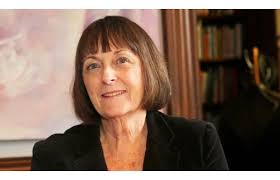
Margaret Somerville
Recently, I read that the beginning of wisdom is to know when one should say “I don’t know”. Certainly, I cannot give you a comprehensive answer to this question.


What we do know is that approval of physician-assisted suicide (PAS) and euthanasia is highest among highly educated, high socioeconomic status persons -- sometimes described as “elites” -- in a society. Doctors and judges belong in this group, although I hasten to point out that far from all doctors and judges support euthanasia.

Those who do support it often adopt so-called “progressive values” on a range of issues including reproductive technology decision-making, abortion, same-sex marriage, and so on. “Progressive values” adherents are characteristically intensely individualistic – they give almost absolute priority to the value of individual autonomy, which can mean that they fail to take into account what is needed to protect the “common good” and, in particular, vulnerable members of the society. They also focus just on the present – they do not take into account warnings from history (“collective human memory”) or probable future consequences that can be recognized through “collective human imagination”. I call this approach to decision-making of excluding what considering the past and the future can teach us, “presentism”.

I’ve often described the mantra which informs progressives’ worldview as “control, choice and change”: They want control over what happens, especially to them personally; choice that accommodates the outcomes they seek; and the changes, for instance, in the law or cultural norms, that will make such control and choice possible.

Is there widespread popular support as well?

Well, there certainly seems to be in Canada, especially when we look at the statistics on how many people are using MAiD (Medical Aid in Dying the euphemism used for PAS and euthanasia in Canadian law). For example, in the Province of Ontario, as of 30th September 2019, 3,822 people accessed “assisted dying”, 3821 in the form of euthanasia, one assisted suicide. (It’s an interesting question as to why, in jurisdictions where both PAS and euthanasia are legal, PAS is very rarely used.) Accurate overall statistics for Canada are not available, but it’s estimated that 1.12% of all deaths now involve MAiD and is known that there have been over 8000 such deaths since its inception.

Initially, when legalizing euthanasia was being proposed and euthanasia advocates were lobbying for its legalization, I believe that many members of the general public – and even a substantial percentage of healthcare professionals - were confused as to what was and was not euthanasia, which inflated the statistics showing the public’s approval of euthanasia. Rights to refuse all medical treatment, including life-support treatment when this would result in death, and rights to fully adequate pain management, even if it ran the risk of shortening life, but was necessary to relieve pain, are not euthanasia, but many people classified them as such. This confusion was not, however, accidental; it was a strategy used by pro-euthanasia advocates to advance their cause through showing strong public support for legalizing euthanasia.

The idea of an end-of-life slippery slope is ridiculed by many politicians and doctors. But in the case of Canada, it seems relevant. What is the next development, do you think?

Canada is already considering whether to allow access to euthanasia to children, to people with serious mental illness but no physical illness, and to people with dementia through their advance directives. In light of the widespread normalization of euthanasia and the large number of people accessing it, I believe all of these expansions are likely to be allowed.

The reason such expansion is unavoidable is that once one steps over the line that says it is never ethically acceptable to inflict death on another human being, the sole exception being where that is the only reasonable way in which to save innocent human life, as in justified self-defense, there is no logical stopping point.

I have mused about the denial of slippery slopes by euthanasia advocates, such as Andrew Denton here in Australia, when it is so well documented that once introduced access to it expands rapidly. I realized that these deniers take an approach that there is no slippery slope if they regard any given expansion of access to euthanasia as a good decision, but only such a slope if they see the expansion as a bad decision, which seems to be a rare classification.

It merits mentioning that there are also doctors who initially supported the legalization of euthanasia who are now publicly speaking out against it. A prominent example, is Dr Yves Robert the registrar of the College of Physicians and Surgeons of Quebec (the medical licensing authority in the Province) who wrote an open letter under the College banner with the headline “Death a la carte” (that is a menu of choices among the options for how one wants to die) withdrawing his support for euthanasia.

Dr Robert was a major proponent of legalizing euthanasia and in 2009 the College was one of the main instigators of the movement to do so in Quebec. At that time, Dr Robert rejected anti-euthanasia proponents' claims that effective safeguards could not be put in place to regulate euthanasia. And, as in the current Australian debate, he accepted the usual claim of pro-euthanasia advocates that it would be rarely used. The estimate given by physician proponents, including the Quebec Minister of Health who was a specialist physician, was about 100 cases a year in the province. As can be seen from the Ontario statistics above that is very far from the reality which has emerged, including in Quebec.

Dr Robert changed his mind about euthanasia when calls were made to have “death on demand” declared a constitutional right. A very recent Quebec case that has struck down as unconstitutional the requirement that “natural death must be reasonably foreseeable” as a condition for access to MAiD is a step towards this possibility.

This claim that there is a right to “death on demand” is consistent with the arguments used to legalize euthanasia: that people have a right to autonomy and self-determination concerning their own bodies and lives.

In his letter, Dr Robert notes that opinion leaders and the media have denounced cases where people who do not fulfil the conditions for access to euthanasia in Quebec have been refused it. He also notes the paradoxical discourse that calls for safeguards to avoid abuse of “medical aid in dying” which are meant to limit its availability, while asking doctors to act as if there were no restrictions. He continues that if euthanasia is an unfettered right, then it’s not within the scope of “medical aid to die”, but simply “assisting dying” and he says the society must consider other options than involving the medical profession in that.

Dr Robert says that the law was a “major opening” to euthanasia and expresses surprise at how quickly public opinion seems to have judged the opening insufficient. In short, euthanasia has become normalized with astonishing rapidity and that has caused calls for access to it to be expanded, indeed, calls to have no restrictions at all on access to it.

The question that this development leaves us with is why so many Canadian doctors and lawyers of goodwill and professional integrity, such as Dr Robert, so adamantly disagreed that such expansion would occur.

Some Canadian doctors have suggested that euthanasia organ donation would be a good idea. Could you explain what’s wrong with that if the patient wants both to end his life and to give his organs? It seems like a good way to make the best of a difficult situation.

I have recently written an article dealing with this issue in The Linacre Quarterly, "Does It Matter How We Die? Ethical and Legal Issues Raised by Combining Euthanasia and Organ Transplantation".

For a variety of reasons I conclude that the ethical dilemmas are such that euthanasia and organ donation should not be connected in any way. These reasons include uncertainty regarding the definition of death which could be more critical in the context of euthanasia. Then there is disagreement about what constitutes conscientiously objecting healthcare professionals’ involvement in euthanasia. Would a transplant surgeon using organs from a euthanized person be complicit in the euthanasia of that person? Similarly, would the recipient of an organ from a euthanized person need to be told that and give informed consent to receiving that organ? And does connecting euthanasia and transplantation makes conflicts of interest for healthcare professionals unavoidable?

The reality is, however, that euthanasia and organ transplantation already are connected in Canada: the Ontario Coroner reported that the organs of 30 of the 3822 people who died by MAiD in the province were donated for transplantation.

Some suggestions are more radical, aren’t they? The patient would be killed by the act of donation, ensuring that the organs are as fresh as possible. Is this ethically worse than other forms of euthanasia?

Yes, there are more radical suggestions. Some people who agree with euthanasia and organ donation after death by euthanasia are arguing that death by donation is ethically acceptable. This would involve giving the person a general anaesthetic and carrying out euthanasia by removing their vital organs, such as the heart, to be used for transplant. Additional ethical issues raised by death by donation include breach of the “dead-donor rule” – that the person must be dead before removal of vital organs and the donation must not be the cause of death. Other considerations include what would constitute informed consent to euthanasia by donation and what impact its acceptance would have on important foundational societal values, especially respect for human dignity and for human life. 

It’s often mentioned that euthanasia patients might feel that their life becomes worthwhile by donating organs. Your thoughts?

That’s a possibility that I discuss in my article referred to above. It’s a sad thought that one is only valuable and has a purpose when one is dead. It’s true, as Ely Wiesel said, that people need a “why” to live, but surely we should not be promoting a “why” to die.

What can put a brake on the rapidly expanding boundaries for euthanasia in Canada?

Once the barn door is open and the horses have escaped shutting the barn door does not confine them, so I’m not at all sure that a brake can be put on the expanding boundaries of euthanasia in Canada. It will take possibly many generations for the full tragedy of the legalization of euthanasia to become obvious, at which time initially small voices will be magnified by others joining them and there could be a ground swell of opposition. Perhaps the reverse of how euthanasia has come to be legalized.
I sometimes think of the outrage of a young woman who made a lasting impression on me. She was born from artificial insemination by an anonymous donor and was searching for her father because she felt that “half of her was missing”. She angrily shouted at a conference panel of which I was a member, “How could society have allowed this? How could they have let this happen to me?” Societies came to see anonymous sperm donation as unethical. The law was changed in many jurisdictions to make anonymous sperm donation illegal. Perhaps the same will happen with euthanasia, except that, unlike that young woman, dead people are no longer able to shout at a society that authorized doctors to intentionally inflict death on them.

Does the Canadian experience hold any lessons for other jurisdictions – like the Australian states – which are debating whether or not to legalise it?

Yes and here are some that I would suggest:

Recognise that we live in a post-truth era, so the first lesson should be get the real facts. Good facts are essential for good ethics and good ethics for good law.

Move beyond making public and social policy decisions -- and there is no more important one than whether to legalize euthanasia -- only on the basis of respect for individual autonomy and its impact in the present.


I believe that if people have the facts on euthanasia and on its alternatives, and look not only to what individuals want, but also to the protection of vulnerable people and the common good, and take into account what human memory can teach us and human imagination tell us about future consequences, we will decide that legalizing euthanasia is a very bad and dangerous idea.

Professor Margaret Somerville taught medical law and ethics for nearly 40 years at McGill University in Canada. Few people are better qualified to comment on Canada’s embrace of euthanasia.

Friday, February 15, 2019

Can doctors be neutral on euthanasia and assisted suicide?

This article was published by Mercatornet on February 14, 2019. 

By Margaret Somerville

Margaret Somerville
The BMJ has recently published two articles, one by Dr Sandy Buchman, a palliative care physician and the incoming president of the Canadian Medical Association (CMA), the other by Dr Jeff Blackmer, a physician and vice president of international health at CMA presenting a very positive and benign picture of the implementation of legalized physician-assisted suicide and euthanasia in Canada, euphemistically called “Medical Aid in Dying” (MAiD).

Canadian Medical Association exaggerates its support for conscience rights.
As an academic medical ethicist at McGill University in Montreal for nearly four decades and now living and working in Australia, I am concerned that Australian legislatures, which are currently considering whether to legalize physician-assisted suicide and euthanasia, might accept the picture presented in these articles, without identifying their deficiencies.

In focusing only on respect for the autonomy and relief of the suffering, of an individual, personally identified, educated, mentally competent patient who requests and gives informed consent to MAiD, Dr Buchman makes the strongest case possible for the ethical acceptability of euthanasia and its legalisation. But, apart from other concerns, generalizing even these justifications beyond Dr Buchman’s patient and his specific characteristics and circumstances raises problems. In reality, how many people requesting euthanasia or assisted suicide (MAiD) will have the intensive attention, medical and family support Dr Buchman describes, or be as informed, articulate and highly educated as this patient, who himself was a doctor?

Respect for individual autonomy is used, as Dr Buchman does, by pro euthanasia advocates as a justification for legalizing MAiD. But it is far from the only consideration which needs to be taken into account, even if one does not object to MAiD on the most fundamental basis that we should not authorise anyone, let alone doctors, to intentionally inflict death on other human beings.

Dr Buchman makes no mention of any such considerations, in particular, risks and harms to the “common good” and society. These include breaches of the value of respect for human life at both the individual and societal levels, and serious physical and existential risks and harms to vulnerable people, especially those who are disabled and fragile elderly people.

Whether we agree or disagree with MAiD, we can all agree with Dr Buchman’s goal of relief of suffering, but we must kill the pain and suffering, not the person with the pain and suffering.

Dr Blackmer’s article raises a wide range of important issues, which he does not identify. They include: Is MAiD medical treatment? It can be argued that it is not. Likewise, MAiD is not, as its promoters argue, just a legitimate incremental extension of “good palliative care”. The informing philosophies of MAiD and palliative care are in conflict. Palliative care is based on a commitment to help people to live as fully as possible until they die a natural death. The informing principle of MAiD is that it is ethical to intentionally inflict death to relieve suffering or even the fear of future suffering.

Whether to legalize MAiD is a societal and political decision, not primarily a medical one and it’s suggested that if a society wants it to be available and legalizes it, for many reasons, it should be kept out of medicine. I call this “taking the white coat off euthanasia”.

By embracing euthanasia and assisted suicide as medical treatment the CMA made physician participation an expectation and refusing to provide them became an exception requiring justification. Despite assurances from the CMA leadership, Canadian doctors who object to participation in “therapeutic homicide” now risk discipline and even expulsion from the medical profession.

Euthanasia has been rapidly normalized and routinized in Canada at a rate that even one of its strongest advocates, Dr Yves Robert, registrar of the College of Physicians of Quebec, has found alarming, in that it has quickly become just another choice of how to die.

Not everything that is legal is ethical. So, the Canadian Medical Association could have maintained its long-established stance -- which reflects almost 2,500 years of medical ethics wisdom -- that it is unethical for physicians to participate in MAiD, even though it is now legal in Canada. When the cloak of medical approval is absent, the public are much more likely to question the wisdom of legalizing it.

Finally, while the CMA might be neutral with respect to who may be a member, in that it accepts as members both physicians who are pro-MAiD and those who are anti-MAiD, there is not, as Dr Blackmer claims, any “neutral stance” on the ethical acceptability of MAiD. In not continuing to oppose physicians’ involvement in it as unethical, the CMA is unavoidably supporting it in some or other form, which is not a neutral position. In fact, we can see precisely that outcome in the use of CMA statements by Canadian courts, legislatures and regulators in promulgating and implementing the law legalizing MAiD in Canada.

In short, there is no neutral stance on the ethics of MAiD but a clear choice to be made as to whether one is for or against it, as the present conflict among Canadian physicians so clearly demonstrates, despite the CMA’s and Dr Blackmer’s desire to whitewash the situation.

Margaret Somerville is professor of bioethics in the school of medicine at the University of Notre Dame Australia. This article was originally published in the BMJ Rapid Responses online.

Monday, August 13, 2018

Bioethics Professor calls on Australian Senate to reject assisted dying

Alex Schadenberg
Executive Director - Euthanasia Prevention Coalition

The Australian Senate was urged by a professor of Bioethics to reject the legalization of euthanasia.

Margaret Somerville
Reporting for the Sydney Morning Herald Dana McCauley wrote about the testimony by Professor Margaret Somerville, an expert on the Canadian euthanasia law, told the Australian Senate that:

the assurance by early proponents of euthanasia that it would not lead to a "slippery slope" had been proven wrong, with research showing that safeguards were being routinely violated. 
"In one study in Belgium, they surveyed doctors and found that 32 per cent had gone outside of the regulations," she said. 
While originally only available to consenting adults, voluntary assisted dying has in some countries been extended to young children, the mentally ill and even newborn babies. 
In January, a 29-year-old physically healthy Dutch woman with mental illness died after drinking poison supplied by a doctor in a medically assisted death.
The Australian federal Senate is debating a private member’s bill brought by Liberal Democratic Party senator David Leyonhjelm, which would enable the ACT and Northern Territory to make their own laws on voluntary assisted dying.

Friday, July 28, 2017

Euthanasia slippery slope: a failure of memory and imagination

This article was published by Mercatornet on July 28, 2017
When the splash of assisted-suicide and euthanasia blinds us to their far-reaching ripples.
Margaret Somerville
By Margaret Somerville

Very recently, two senior physicians who have championed the legalization of euthanasia in their jurisdictions, Dr Boudewijn Chabot in the Netherlands and Dr Guy Robert in Quebec, have rejected current “appalling” developments in euthanasia in their countries. Yet, these developments should have been anticipated. So, why weren’t they?

Pro-euthanasia advocates focus just on individuals and only in the present – a combination of radical autonomy/ intense individualism and “presentism” - which blocks out considering both lessons from the past and likely future developments. In other words, the pro-euthanasia stance rests on a failure of people’s individual and collective human memory and imagination.

Those opposing euthanasia look to human memory – history and what the past can teach us – and imagination – what the future might hold – as well as the present. They also look beyond euthanasia’s impact just on individuals to the wide-ranging and multitudinous major issues and consequences it raises for medicine and law, for practitioners of these two professions, and for all of us as families, communities and a society.

Human memory

Human memory warns us of the “slippery slopes” euthanasia opens up: The “logical slippery slope”, the situations where euthanasia is allowed constantly expands, and the “practical slippery slope”, euthanasia is undertaken not in compliance with the law.

Once euthanasia becomes normalized slippery slopes are unavoidable, because, as British moral philosopher Dame Mary Warnock explains, “You cannot successfully block a slippery slope except by a fixed and invariable obstacle”, in the case of euthanasia, the rule that we must not intentionally kill.

Pro-euthanasia advocates dismiss the nearly 2,500 year history of the Hippocratic Oath’s guidance of medicine – cure where possible, care always, never kill – and, especially, any lessons from the Nazi regime. No one believes euthanasia will lead to a second Holocaust, but as the distinguished Canadian historian, Margaret MacMillan, has said, without knowing the past, we deprive ourselves of an important source of understanding.

Renowned Canadian disability rights advocate Professor Catherine Frazee, who says that what happened to people with disabilities in Nazi Germany is “part of my history as a person with severe disabilities”, explains “that one key to tackling complex problems is to ask the right questions, and history, through its cautionary tales and analogues, is a rich vein of 'right questions'” to ask about euthanasia.

We can also look to indigenous people’s practice of looking to Elders past and present, to argue it is wrong and dangerous to exclude human memory from informing our important societal decisions, and legalizing euthanasia is clearly such a decision.

Psychiatrist Dr Boudewijn Chabot, a very prominent pro PAS-E advocate in the Netherlands, who has been called the “patron saint of euthanasia”, is horrified at what is currently happening in his country.

He’s not anti-euthanasia (he is prepared to accept tens of thousands of euthanasia cases) but aghast at the rapid rise in the number of people with psychiatric illness or dementia who have been euthanized.

Writing in a leading Dutch newspaper, Chabot says that “legal safeguards for euthanasia are slowly eroding away and that the law no longer protects people with psychiatric conditions and dementia.”

He recognizes “we are dealing with a morally problematic act: how do you kill someone who does not understand that he will be killed?”. And he concludes bitterly, “I don’t see how we can get the genie back in the bottle. It would already mean a lot if we’d acknowledge he’s out.”

Why did the Dutch not look to the past for warnings? Why did they fail to use their imaginations to foresee these future consequences?

We need to ask these questions in relation to vulnerable Australians, those who are elderly and fragile, especially those with dementia, people with disabilities, including newborn babies, who can also be euthanized in the Netherlands.

Human imagination


A failure to look to the future is resulting in an extreme example of calls for expansion of euthanasia unfolding in Quebec.

Dr Yves Robert, the registrar of the College of Physicians and Surgeons of Quebec (the provincial medical licensing authority) was a major proponent of legalizing euthanasia and in 2009 the College was one of the main instigators of the movement to do so. Euthanasia was legalized in December 2015.

Robert adamantly rejected claims that effective safeguards were not possible, that euthanasia was not a medical act, and that it should be kept out of medicine. He constantly referred to a “continuum of good end-of-life care”, which included euthanasia as part of palliative care.

As in Australia, the claim it would be rarely used (about 100 cases a year in the province) was made. The first year saw over 400 cases. (In the first 7 months, 21 of 262 cases did not meet legal requirements: in two the patient was not terminally ill and in one not seriously ill – she probably had a urinary infection.)

But none of that seemed to raise any questions for the College, or I assume Robert, about whether legalizing euthanasia had been a good idea.

Here is what has, as he explains in a letter dated 10 May 2017, on College letterhead, entitled “Death a la carte”. That is, instead of food choices, it’s a menu of options for how one wants to die.

There are now calls and possibly the launching of a court case to have “death on demand” declared a constitutional right. The claim is that having to fulfil certain conditions to have access to euthanasia is a breach of the right to control one’s life and body and legally actionable discrimination.

Claiming a right to “death on demand” is consistent with and just an extension of the autonomy arguments used to legalize euthanasia.

The discrimination claim is unusual: It’s discrimination against people who do not have disabilities because those who do have access to euthanasia and those without disabilities cannot.

Robert notes opinion leaders and the media have denounced cases where people who do not fulfil the conditions for access to euthanasia in Quebec have been refused it. Such denunciations and the refusals being characterized as 'cruelty' are familiar pro-euthanasia strategies.

Robert recognizes the “paradoxical discourse” that calls for safeguards to avoid abuse of “medical aid in dying” (euthanasia) which are meant to limit its availability, while asking doctors to act as if there were no such restrictions.

He continues that if euthanasia is an unfettered right, then it’s not within the scope of “medical aid to die”, but simply “assisting dying” and society must consider other options than involving the medical profession in that.

He explains it’s to transform “medical aid in dying” to “legally authorized aid in dying”, a form of assisted suicide which, he says, could be provided by private enterprise as in Switzerland.

Indeed, if society legalizes euthanasia, all euthanasia should be kept out of medicine. Specially trained technicians could provide it.

Robert notes that the Quebec law was “a major opening” to euthanasia and expresses surprise at how quickly public opinion seems to have judged the opening insufficient, when testing the law is still in the “apprenticeship phase and the application and consequences of its provisions are not fully assimilated.”

In short, euthanasia has become normalized with astonishing rapidity and that has caused calls for access to it to be expanded, indeed, calls to have no restrictions at all on access.

Robert concludes: “Let us take the time to reflect deeply before going any further. There is no urgency to die.” I totally agree but, to use a common saying, “it’s too late to lock the barn door after the horse has bolted.”

As for me, after being heavily involved in the euthanasia debate over many years in Quebec, to use another common saying, “you could have knocked me down with a feather” when I read what Robert wrote. That said, I applaud his honesty and integrity.

Why did so many doctors (and likewise lawyers) of goodwill and professional integrity, such as Dr Robert so adamantly disagree that such expansion would occur – although none of us expected a proposed expansion to this degree?

I believe it was a total failure of individual and collective memory and imagination, including professional memory and imagination, resulting in “intense individualism” and “intense presentism” governing the decision making and leading it astray. Let’s avoid that in Australia.

Margaret Somerville is Professor of Bioethics in the School of Medicine at the University of Notre Dame Australia.

Tuesday, May 23, 2017

Do suicides increase where euthanasia is legal?

This article was published by Mercatornet on May 22.

The euthanasia debate is on the front-burner in Australia, especially in the states of Victoria and Tasmania. In one of the latest salvos, ethicist Professor Margaret Somerville claimed that suicide rates rise in jurisdictions where euthanasia and assisted suicide are legal. This prompted a blast from Neil Francis, a former President of the World Federation of Right To Die Societies and a leading campaigner for euthanasia in Australia. This is Professor Somerville’s response.
B
Margaret Somerville
y Margaret Somerville

Neil Francis is correct in criticizing me for a loose statement that "the general suicide rate has increased in every jurisdiction that has legalized assisted suicide." 

Although I believe that my statement will prove to be correct, at this point in time I should have left out the word "every." 

One problem in obtaining the required evidence, is that it’s difficult if not impossible to know how often physician-assisted suicide or euthanasia (PAS-E) is being used in countries where those interventions are legal to commit what we should view as “ordinary suicide”–if one can ever regard suicide as “ordinary”, but for want of a better term. 

“Suicide by police”–a suicidal person engages in conduct with the intention that the police will respond by shooting them - is a recognized phenomenon. Now we can consider “suicide by physician”. 

Two features of legalized PAS-E make “suicide by physician” seem likely: The percentage of deaths occurring from PAS-E, for instance, in The Netherlands and Belgium, is rising by approximately 10 per cent each year and is now around 4 percent of all deaths. And the conditions for access to PAS-E are expanding in both jurisdictions. If one is not terminally or physically ill, neither of which is a legal requirement in either country, is euthanasia “ordinary suicide”? And what about if a person wants PAS-E because they are just “tired of life” or feel they have a completed life as the Netherlands is now contemplating allowing or, as an elderly couple proposed on ABC’s Q&A, simply want to avoid going into a nursing home, should these be classified as “ordinary suicide” cases? 

Cases in which using PAS-E as a substitute means of suicide seems very likely have made headlines around the world. They include the deaf Belgian twins who were going blind; the young gender-dysphoric woman with the botched sex-change operation; the anorexic woman in her 20s; the depressed 34 year old Eva, whose death by euthanasia is focused on in real time in the documentary film, “End Credits”, made by Dutch pro-euthanasia advocates; the convicted rapist and murderer in the Belgium prison


Dutch Professor Dr. Theo Boer, a former member of one of Holland’s five Euthanasia Regional Review Committees (2005-2014) has undertaken a study which will be published shortly which, in his words, shows 
Theo Boer
the assumption that euthanasia will lead to lower suicide rates finds no support in the numbers. The percentage of euthanasia deaths of the total mortality rate tripled from 1.3% in 2002 to 4.08% in 2016. During that same period, the suicide numbers did not go down: From being 1,567 in 2002, they went up to 1,871 in 2015, a rise of 19.4%. The suicide rates reached a relative low of 1,353 in 2007, compared to which the 2015 numbers constitute a rise of 38.3%. This is even more significant given the fact that from 2007 on euthanasia started becoming available to people with chronic diseases–psychiatric diseases, dementia, and others. In terms of the percentage of the overall mortality of suicide deaths, the numbers went up from 1.01% in 2007 to 1.27% in 2015.  
…For the sake of comparison, I have looked at the suicide rates of some countries which are close to the Netherlands in terms of ethnicity, age, religion, and language but which, with the exception of Belgium, lack the option of euthanasia. If the suicide numbers in the Netherlands have gone up, one would expect, at least a similar increase in the suicide numbers would occur in countries without the option of euthanasia. However,…the Netherlands of all countries show the biggest increase in the suicide numbers.” 
Mr. Francis dismisses researchers David Jones' and David Paton’s report on suicide data in Oregon on which I relied to show a rise in the state’s suicide rates on the basis that it was “published in a minor journal”, the Southern Medical Journal. This claim is specious, even if it were a “minor journal”. For the record, it is a peer-reviewed medical journal indexed and abstracted in Index Medicus, Current Contents, Science Citation Index, and EMBASE which has published over 45,000 articles. I leave it to others to decide its status. 

Moreover, if Mr. Francis’ claim as to its status were correct and if Jones’ and Paton’s article were, as Mr. Francis describes it, “a wobbly econometric modelling study”, it stands to reason that the journal would be more accessible in terms of publishing rebuttals or questions about the article. To date, to my knowledge, no one has done so, not there, not anywhere. 

Mr. Francis’, at best, woolly statements about what Jones’ and Paton’s study found need clarifying. They write: 
[W]e found that legalizing PAS was associated with a 6.3% (95% confidence interval 2.70%–9.9%) increase in total suicides (including assisted suicides). This effect was larger in the individuals older than 65 years (14.5%, CI 6.4%–22.7%). Introduction of PAS was neither associated with a reduction in nonassisted suicide rates nor with an increase in the mean age of nonassisted suicide. (Emphasis added)  
Conclusions: Legalizing PAS has been associated with an increased rate of total suicides relative to other states and no decrease in nonassisted suicides. 
As Jones and Patton recall, pundits claimed at the time of the public debate in Oregon about legalizing physician-assisted suicide that having access to assisted suicide would reduce “nonassisted” or “ordinary suicide”, which it clearly did not. This is something Australian legislators should note. 

I will just mention California, which has very recently legalized physician-assisted suicide. There was concern that people who were involuntarily hospitalized because they were mentally ill and “dangerous to themselves (they were suicidal) or others” could not have access to physician-assisted suicide. This has now been “remedied” and a special process established to allow them to apply to have physician assistance in killing themselves. 

Thursday, February 23, 2017

Lessons from indigenous wisdom in the euthanasia debate.

This article was published by ABC News Australia on February 16, 2017.
How a person dies affects others, not just in the present but in the future.
Margaret Somerville
By Margaret Somerville

This Some time ago, I was a member of an ethics committee set up as part of the Nuclear Waste Management Organization established by the Canadian Government to advise it on how it should deal with the complex issue of the disposal of nuclear waste.

At the first meeting of the committee, the chairperson asked us each to introduce ourselves and to make some brief remarks relevant to the disposal issue.

George Erasmus, who was the national chief of the Assembly of First Nations from 1985 to 1991, was a committee member. When it came to his turn, after a long moment of silence, George said softly, 
“Well if it had been up to us, we would never have been in this position, because we would never have allowed the technology that results in nuclear waste. We would have looked back seven generations for lessons from our ancestors and looked forward seven generations to its risks and harms to future generations and decided against its use.”

George’s words came to mind as wise advice for those of us engaging in the legalization of euthanasia debate currently raging in Australia. They struck me as especially apropos in light of the fact that Aboriginal and Torres Strait Island and First Nations communities in Australia and Canada, respectively, are, in my anecdotal experience, uniformly and adamantly opposed to euthanasia. What might these indigenous communities be perceiving that pro-euthanasia advocates are not?

Looking back: Hippocrates and ‘do not kill’

Looking back seven generations is to consult history or, as John Ralston Saul evocatively calls it, “human memory”.

Since the time of Hippocrates 2,400 years ago, medicine has a history of the absolute prohibition of physicians intentionally killing their patients. Why now do some people want to abandon this foundational value guiding the practice of medicine?

We have always been faced with death and suffering and have never seen euthanasia as ethically acceptable medical treatment or, indeed, as medical treatment. Why then, when there is so much more we can do to relieve suffering, might our society suddenly think it is a good idea to allow doctors to inflict death? The contributing factors are multiple and complex, but at base the cause is a sole focus on upholding the individual’s absolute right to autonomy and “choice”, to the exclusion of other balancing considerations that should be taken into account.

These other considerations include what approach is needed to protect the common good, that is the wellbeing of the community as a whole, not just the wishes and claims of an individual person, important as these are. The cultures of indigenous peoples are more cognisant of this need to protect the community and attuned to it, which could be one reason they reject euthanasia.

Pro-euthanasia advocates adamantly reject that the history of the Nazi horrors has anything to teach us and scorn anyone who dares to suggest that, when judiciously examined, it might provide insights and warnings. It’s true that we will not see a Holocaust resulting from the legalization of euthanasia, but the origins of the Holocaust in German doctors’ involvement in small, allegedly well-motivated and compassionate medical acts and the justifications used to validate these acts carry serious warnings that deserve attention in the current debate.

Looking forward: what we do now affects our great-grandchildren

In using their imaginations to look forward seven generations in order to be warned of future harms and risks to their descendants, indigenous communities are again seeking to protect not only individuals, but also the community. How a person dies, when death is caused by euthanasia, affects not only that person, but also unavoidably affects others and the community, and not just in the present but also in the future.

To summarize: the strongest case for legalizing euthanasia is based in radical individualism and “presentism”. It focuses on a suffering, competent adult individual who asks for and gives informed consent to euthanasia to the exclusion of the impact on the community of allowing euthanasia, and ignores what we could learn from considering it in the context of both the past and the future.

So in deciding about legalizing euthanasia we should learn an important lesson from indigenous wisdom and ask ourselves questions which include: How do we not want our great-great-grandchildren to die? What must we not do now if we are to leave to future generations a society in which reasonable people would want to live? Would an Australian society in which euthanasia had become a norm be such a society?

In thinking about that last question, further realities can be brought to light. If, as Andrew Denton claims, Australia will have the same rate of deaths by euthanasia as the Netherlands and Belgium, around 4 percent of all deaths, that will result in around 6000 euthanasia deaths annually, which would make euthanasia the sixth leading cause of death in Australia. It would fall between respiratory diseases and diabetes on the Australian Bureau of Statistics “Causes of Death 2015” list, and there would be 25 percent more deaths by euthanasia than from diabetes, five times the number of deaths from road accidents (1200 per annum) and twice the number of deaths from suicide (3000 per annum). Could we accept that?

The population of the Victorian town of Lakes Entrance is just under 6000. Would we be comfortable with wiping out with euthanasia each year the same number of people who presently live in that town?

Margaret Somerville was Samuel Gale Professor of Law, Professor in the Faculty of Medicine, and Founding Director of the Centre for Medicine, Ethics and Law at McGill University, Montreal. 
 Margaret Somerville is now a Professor of Bioethics in the School of Medicine at the University of Notre Dame Australia. Her most recent book is Bird on an Ethics Wire: Battles about Values in the Culture Wars.

Friday, December 16, 2016

Post truth, Euthanasia and Elder abuse - Linking headlines.

This article was published on December 15, 2016 by Mercatornet.
Margaret Somerville

By Margaret Somerville

Exploring the connections that can be made among three very recent stories in the news, which at first glance seem unrelated, can provide important insights and warnings. These stories are that “post-truth” is the Oxford English Dictionary’s word of the year; that the Victorian Government will introduce an “assisted dying” bill in the second half of 2017 which, if passed, would legalize physician-assisted suicide and in exceptional cases euthanasia; and that the Australian Law Reform Commission has just released a discussion paper which documents elder abuse in Australia and seeks ways to prevent it.

“Post-truth”

Here’s how Wikipedia describes “post-truth” in relation to politics: “Post-truth politics (also called post-factual politics) is a political culture in which debate is framed largely by appeals to emotion disconnected from the details of policy, and by the repeated assertion of talking points to which factual rebuttals are ignored. Post-truth differs from traditional contesting and falsifying of truth by rendering it [truth] of "secondary" importance.”

Or, one could add, of little or no importance at all.

In contemporary societies we increasingly use the prefix “post”: post-industrial, post-modern, post-feminist, post-religious, and so on, and now post-truth. We know what we were; we know we are no longer that; but we don’t yet know what we now are or are becoming.

Words are the tools of both truth and lies, so words matter. Nowhere is this truer than in the euthanasia debate.

The euthanasia debate

Word changes can be subtle and nuanced. So, for instance, when, as has happened in promoting the legalization of euthanasia and physician-assisted suicide, more words are used to describe something that already had a name – euthanasia has become “physician assisted dying” and even the word death is dropped - we should know that we are being manipulated and something is being concealed. That something is the intentional infliction of death.

The strongest case for the legalization of euthanasia is made at the level of the suffering identified individual who wants to die when and how they choose. Australian journalist Andrew Denton makes the case for legalizing euthanasia in this way in describing his father’s death. We feel compassion for his father and Mr Denton himself for the suffering they both endured and our hearts rightly go out to them.

In a post-truth society feelings matter more than facts, the heart rules the head. So the facts about the larger impact of legalizing euthanasia – what it will mean for healthcare institutions, professions and professionals; how it will damage foundational societal values, such as respect for human life in general and the prohibition on intentionally killing another human being, except to save life; the impact in the future of normalizing euthanasia; and so on - are ignored or even denied.

Even hard factual evidence is rejected: In Canada the courts accepted the pro-euthanasia claim that in the Netherlands and Belgium, where euthanasia is legal, there was no “logical slippery slope” (the situations and persons eligible for euthanasia expand rapidly and very substantially once it is legalized) or “practical slippery slope” (euthanasia is carried out in breach of the law, especially on vulnerable people). But the evidence is clearly otherwise, as has been recognized by the Irish Supreme Court and most recently the Supreme Court of South Africa.

We can question whether the current “progressive values” stance of giving priority to respect for individual autonomy over upholding values, such as respect for life, needed to protect the common good, means that we have become a narcissistic society, one focussed just on individuals’ claims, and that the denial of facts which would cause us to reject those claims is a “narcissistic unawareness”.

I hasten to add here that I am not denying the importance of feelings -- they are one of the central ways of “human knowing” -- but facts are, at the least, equally important, not least because good facts are essential for good ethics and good ethics is essential for good law.

And so to the third story where facts are needed and serious concerns raised about the abuse of one group of vulnerable people, namely, the elderly.

Elder abuse

Here’s a December 12 ABC website headline: 


“Elder abuse inquiry calls for power of attorney changes to stop children ripping parents off”.
The post continues “A national register of enduring powers of attorney should be established to prevent greedy children from using the document as a "licence to steal" from their elderly parents, the Australian Law Reform Commission (ALRC) says”, referring to an ALRC discussion paper which is part of its inquiry into elder abuse, which includes elderly persons being victims of financial fraud.

The paper notes that “the potential for pressure and coercion in setting up the instruments [the powers of attorney appointing children to act on their parent’s behalf]” and that “early inheritance syndrome” is on the rise.

“With Australians living longer than ever before, the ALRC inquiry heard many examples of children who were impatient to get their hands on their parents' money and tried to claim their inheritance before they were entitled to it. 
This is often described as "early inheritance syndrome". 
"It's as if the current generation wants it now and somehow they justify that it's okay to take mum or dad's money right now," said Aged and Disability Advocacy Australia CEO, Geoff Rowe.”
There are no concrete statistics on the prevalence of elder abuse in Australia, but a 2016 research report to the Australian Government Attorney-General’s Department states that:
“at the international level, the WHO (2015) recently reported that estimated prevalence rates of elder abuse in high- or middle-income countries ranged from 2% to 14% … and that the perpetrators are likely to be related to the victim… [and] one study suggests that neglect could be as high as 20% among women in the older age group (Australian Longitudinal Study on Women’s Health [ALSWH], 2014). Older women are significantly more likely to be victims than older men, and most abuse is intergenerational (i.e., involving abuse of parents by adult children), with sons being perpetrators to a greater extent than daughters.”
Combined effect

So consider in a “post-truth” society the combined effect in relation to elderly persons of “pressure and coercion”, “early inheritance syndrome”, abusers’ self-justification of the abuse, 2 percent to 14 percent of elderly persons being victims of abuse, and women being more at risk than men, in the context of legalized euthanasia. At the very least, we should have second thoughts about whether legalization is a good idea.

Margaret Somerville is Professor of Bioethics in the School of Medicine at the University of Notre Dame Australia. Until recently, she was Samuel Gale Professor of Law, Professor in the Faculty of Medicine, and Founding Director of the Centre for Medicine, Ethics and Law at McGill University, Montreal.

Tuesday, October 27, 2015

Margaret Somerville - What the top court left out in assisted suicide decision.

By Alex Schadenberg
Executive Director - Euthanasia Prevention Coalition

M
Margaret Somerville
argaret Somerville, the founding director of the Centre for Medicine, Ethics and Law at McGill University, wrote an insightful article titled - What the top court left out in judgement on assisted suicide - that was published in the Globe and Mail on October 27.

In her article, Somerville comments on the Supreme Court of Canada assisted suicide decision:

A central question in legalizing physician-assisted suicide is where the balance between respecting individual rights to autonomy and protection of the “common good” (protection of others and society, including its important values) should be struck. In this case, there was almost no such balancing. 
Rather, both the trial court and the Supreme Court focused almost exclusively on the rights of individual persons, so that the factual findings and legal reasoning were intensely individualistically based. 
Both courts adopted a narrow definition of Parliament’s purpose in prohibiting assisted suicide (namely, that it was to protect a vulnerable person in moments of weakness from acting on suicidal ideation) and concluded that an absolute prohibition was not needed to achieve this. Indeed, the courts accepted the evidence of plaintiff Gloria Taylor, who suffered from Lou Gehrig’s disease, that she did not need this protection as showing that she and people like her did not – that is, they were “not vulnerable.”
Then Somerville asks - But was the court correct in its assessment of vulnerability? She explains:

Prof. Henk ten Have, a physician-ethicist at Duquesne University in Pittsburgh, recently published a paper proposing that vulnerability is an innate human characteristic that we all experience throughout our lives, because it “comes from the social dimension of human existence.” In short, we are not free-floating autonomous atoms.
Somerville explains:
Vulnerability is linked to dependence on others. We are all interdependent, which means we are all vulnerable. This is not necessarily bad, as we might at first assume when we hear the word “vulnerable.” 
Somerville then concludes that Supreme Court missed the common good or the importance of people caring for one another. She concludes:
The Supreme Court saw the antidote to suffering as recognizing individuals’ right to autonomy and its use to consent to the infliction of death. An alternative is a communal response of providing fully adequate palliative care, which affirms our bonds with those who are in need and are especially vulnerable. 
In balancing autonomy with conflicting values, the Supreme Court failed to consider what is necessary to protect the “common good,” to protect all of us as vulnerable people by upholding “respect for life” (a preferable term to “sanctity of life”) in society as a whole. 
I suggest it requires, as it always has until now, the prohibition of intentionally killing an innocent human being or helping them to kill themselves.
Margaret Somerville will be speaking on October 31 at the Euthanasia Symposium in Montreal.

Wednesday, September 16, 2015

Euthanasia Symposium 2015


The Euthanasia Symposium 2015 is in Montreal at the Best Western - Ville Marie Hotel and Suites on October 31, 2015 from 9 am to 5 pm.

Book your room at the hotel for $119 single or $149 double by calling: 1-800-361-7791.

The Euthanasia Symposium 2015 is an event of the Euthanasia Prevention Coalition, the Physicians Alliance Against Euthanasia and the Living with Dignity.

Registration is only $50 and includes lunch and coffee breaks.


Margaret Somerville
Speakers include:
  • Dr Margaret Somerville: She will be speaking from her new book: Bird on an ethical wire.
  • Dr Margaret Cottle: Palliative care physician and Vice President of EPC.
  • Dr Will Johnston: Family Physician, Chair of EPC - BC.
  • Dr Patrick Vinay: Former Dean of the Faculty of Medicine, University of Montreal.
  • Dr Catherine Ferrier: Geriatrician, President - Physicians Alliance Against Euthanasia.
  • Amy Hasbrouck: Lawyer and Director of Toujours Vivant - Not Dead Yet Canada.
  • Nic Steenhout: Former Director of Living with Dignity Québec.
  • Albertos Polizogopoulos: Lawyer, who will be speaking on Physicians Conscience Rights.
  • Alex Schadenberg: Executive Director - Euthanasia Prevention Coalition
  • Hugh Scher: Legal Counsel - Euthanasia Prevention Coalition
  • Jen Romnes: Will be sharing her story (book) about caring for her mother.
Register by contacting the Euthanasia Prevention Coalition at: 1-877-439-3348 or info@epcc.ca

Wednesday, April 15, 2015

Is physician-assisted death in anyone’s best interest? NO

This article was published in the Canadian Family Physician (April 2015) with an article supporting Physician-Assisted Death.
By Dr Edward (Ted) St Godard 
The issue of physician-assisted death is complex and emotional, and we must not allow truth to become a casualty. Medical professionals and laypersons alike struggle to understand distinctions between euthanasia and physician-assisted suicide, and many more fail to distinguish either act from simple refusal or authorized withdrawal of treatment.1 We must demand and demonstrate a courageous and respectful clarity.
The expression physician-assisted death is what is kindly known as a euphemism. Euphemism is defined as “the substitution of a mild, indirect, or vague expression for one thought to be offensive, harsh, or blunt.”2 Writing recently in The New Yorker, Adam Gopnik noted:
[E]uphemism is a moral problem, not a cognitive one. When Dick Cheney calls torture “enhanced interrogation,” it doesn’t make us understand torture in a different way; it’s just a means for those who know they’re doing something wrong to find a phrase that doesn’t immediately acknowledge the wrongdoing.3
The substitution of physician-assisted death, or the ubiquitous medical aid in dying (something I provide daily), for the more accurate if somehow distasteful euthanasia (itself a euphemism) or physician-assisted suicide, represents at best a misplaced attempt at decorum or delicacy,4 and often a deliberate obfuscation. That our journal, like the Canadian Medical Association, has stooped to using this language is regrettable and, frankly, embarrassing. It is not just semantics.
Compassion
The question with which Canadians must grapple is whether it is in everyone’s best interests that the Supreme Court of Canada appears to have legally sanctioned doctors, under loosely and ambiguously defined circumstances, to kill, or assist with the suicide of, a small number (so far) of consenting (for now) patients.
I strongly believe it is not.
I agree wholeheartedly with Dr James Downar when he states that “there are types of suffering that we do not have the ability to treat”5; it would be hubris to suggest otherwise. Suffering, sadness, and pain are part of the human condition.
However, as Margaret Somerville eloquently notes, the issue at hand concerns not only
our rightful, profound sympathy for people experiencing serious suffering …, but also whether allowing physicians to intervene with a primary intention of inflicting death is inherently acceptable as a foundational principle and basic value.1
I strongly believe it is not.
Before cure eclipsed care, at the heart of medicine was a relationship between a doctor and her patient. The possessive pronoun is important: my doctor, my patient. Caring for patients is a compassionate endeavour. Compassion is derived from the Latin compati6: to suffer together. The current obstacles to compassionate physician-patient relationships are immense: an aging population; increased medical specialization; overcrowded hospitals and care facilities; and health care providers who often appear strained and distracted.
But surely we should not offer to kill patients to compensate for the fact that we have become too busy to care? As subspecialists too often appear to abandon patients once there is “nothing left to be done,” so does a society that legalizes and normalizes euthanasia and physician-assisted suicide risk abandoning its most vulnerable members.
Medicalization
The “death with dignity” movement, for all its well-intentioned and laudable passion, is at once a logical reaction to and a pathologic extension of what Ivan Illich referred to 50 years ago as medicalization. Simply put, medicalization is the process whereby life’s multiple complex processes, dysfunctions, and idiosyncrasies come to be defined as medical problems. Bad breath becomes halitosis; impotence, erectile dysfunction; and senility, dementia.
Death and dying have become medical problems. With its scandalously naïve misunderstanding of anything that might lead to human death as an enemy, medical research, the leading edge of medicalization, has enabled whole generations to outlive their independence. The spectre of the “nursing home” now haunts us all. The banal, if not always benign, loss of function and control formerly known as dying is now considered undignified, and even worse somehow if it will soon be over. (“Since she will soon die anyway, how can we let this continue?”) Some dread the perceived indignities that accompany slow, natural dying, while others fear a medicalized death, ensnared in the tentacles of a medicine that cannot seem to let go.
Patients have long had the right to refuse treatment, but with the rise of patient autonomy, and the commodification of medicine, patients (now “clients”) increasingly feel entitled to demand treatment. Must we now further medicalize their deaths by offering physician-assisted suicide or euthanasia as the ultimate procedure, a soothing if paradoxical final solution to medicine’s broken promises and too-deep incursion into our lives?
No.
The solution to our medicalized lives and deaths is not another syringe, and not more pills. We must talk openly about the end of life, and be less squeamish about the alarmingly ordinary sights, sounds, and smells of normal dying. Although we must not welcome or glorify suffering, neither should we strive for an artificial, sanitized, and idealized death.
In a cogent criticism of medicine, and of palliative care in particular, Marcia Angell suggests that there now exists in the minds of many a naïve and idealized picture of a “good death.”7 Proponents of euthanasia, like some overzealous advocates of palliative care, are chasing a chimeric dream, one that is as constraining as it is illusory. And yet most of us privileged to care for the gravely ill and dying attest to a boundless resilience in our patients and their families. People die as they have lived. Some lean on relationships, others on faith, and most on reserves of previously unknown inner strength.
Some might consider these matters private and personal, especially if we grant them the status of medical procedures. Conversations between physicians and patients are, indeed, sacrosanct. But the collectively agreed-upon social and legal conventions outlining their respective obligations, what they may and may not do with and to each other (irrespective of consent), are not solely private matters. They concern us all, and are thus everyone’s business.
Profound Implications
Like war, self-defence, and state-sanctioned executions—the usual exceptions to the prohibition of the deliberate killing of humans—physician-assisted suicide and euthanasia have profound implications not only for active participants, but for loved ones left behind, and for entire communities (especially the disabled and disenfranchised).
Legalization of euthanasia or physician-assisted suicide, far from respecting private interactions between patients and doctors, would require bureaucratic transparency, safeguards, and oversight. With prescient irony Margaret Somerville notes a “logical discrepancy between arguing for what appears to be an absolute right to autonomy in choosing the manner, time, and place of one’s death and then limiting access to euthanasia to ‘carefully regulated circumstances.’”1 Charter challenges and calls for liberalized access are inevitable and will succeed. (Belgium’s 2002 law, which prohibited euthanasia under a certain age, recently was amended to decriminalize the mercy killing of children without age restriction).8
British journalist Kevin Yuill, describing what he laments to be substantial momentum in the pro-legalization camp, notes that “[t]he fact that so many have joined movements dedicated to the freedom of so very few should alert us to the fact that the need is not practical but psychological.”4  Although we must be merciful, we appear poised to change laws and norms, less to ameliorate the genuine suffering of dying Canadians than to diminish the frustrating but profoundly human impotence of their loved ones and to assuage the angst of a population not fully informed—people dreading a future that might never come, and that once arrived might, as the disabled and dying continue to remind us, be less undignified than predicted.
In late August 2014, as I wrote this paper, British Columbia octogenarian Gillian Bennett swallowed poison rather than face the “indignity” threatened by her progressing dementia. A retired psychotherapist, who presumably had for years coached and challenged people coping with difficulty, she chose suicide. Her posthumously public act demonstrated the ease with which even a frail and failing person can kill herself. No laws need be changed, no guidelines developed, no panels struck. Tragically, it has never been easier.

CLOSING ARGUMENTS — NO

Edward (Ted) St Godard MA MD CCFP
  • The current obstacles to compassionate physician-patient relationships are immense. We should not offer to kill patients to compensate for the fact that we have become too busy to care. As subspecialists too often appear to abandon patients once there is “nothing left to be done,” so does a society that legalizes and normalizes euthanasia and physician-assisted suicide risk abandoning its most vulnerable members.
  • Death and dying have become medical problems. The loss of function and control formerly known as dying is now considered undignified. We must talk openly about the end of life, and be less squeamish about the alarmingly ordinary sights, sounds, and smells of normal dying. Although we must not welcome or glorify suffering, neither should we strive for an artificial, sanitized, and idealized death.
  • Legalization of euthanasia or physician-assisted suicide, far from respecting private interactions between patients and doctors, would require bureaucratic transparency, safeguards, and oversight. We appear poised to change laws and norms, less to ameliorate the genuine suffering of dying Canadians than to diminish the frustrating but profoundly human impotence of their loved ones and to assuage the angst of people dreading a future that might never come, and that once arrived might be less undignified than predicted.
Footnotes:
  1. 1.


  2. 2.

  3. 3.


  4. 4.


  5. 5.


  6. 6.

  7. 7.


  8. 8.


Dr Edward (Ted) St Godard - Consulting physician for Winnipeg Regional Health Authority Palliative Care in Manitoba.