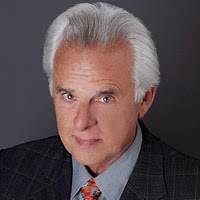
Showing posts with label Herbert Hendin. Show all posts

Friday, June 5, 2020

Assisted suicide by Zoom

This article was published by First Things on June 5, 2020

*Sign the petition: Healthcare regulations must not permit assisted suicide approvals by telehealth (Link).

By Wesley J Smith


Those who advocate the legalization of physician-assisted suicide always claim that doctor-prescribed death will involve a meticulous process of intimate conversations and hands-on examinations by qualified physicians. They promise that patients who request assisted suicide as a solution to illness or disability will receive a physical to determine the extent of the disease. If declared terminally ill, the patient must next be referred for a second opinion. Only then can the doctor dispense the lethal prescriptions.

But once it’s legal for doctors to prescribe poison, opinions about death and suicide quickly change. Assisted suicide boosters come to see “protections” as unjust “barriers” to attaining a “peaceful death.” This leads to cutting legal corners and breaking public policy promises.

The COVID-19 crisis has provided a pretext for further eroding supposedly ironclad guidelines. When the crisis first hit, assisted suicide advocates wrung their hands because people would be unable to access the medical examinations necessary to obtain doctor-prescribed death. Technology to the rescue! The American Clinicians Academy on Medical Aid in Dying—a newly formed association of doctors who assist suicides—recently published formal guidelines that permit doctors to assist suicides via the Internet. These guidelines state that examination should include a review of medical records and a video meeting via Zoom or Skype. The second opinion can simply be done by phone. This means that assisted suicides will be facilitated by doctors who never actually treated patients for their underlying illness, who may be ignorant of their family situations and personal histories, and who have never met their patients in the flesh.


Tele-assisted suicides have already been done. An article published in The Conversation quoted a doctor who quietly began doing streamed suicide consultations years before the COVID pandemic began.
“My patients love telemedicine,” Dr. Carol Parrot, a physician who lives on an island in Washington, told me during a Skype interview in 2018. “They love that they don’t have to get dressed. They don’t have to get into a car and drive 25 miles and meet a new doctor and sit in a waiting room.”

Parrot says she sees 90% of her patients online, visually examining a patient’s symptoms, mobility, affect and breathing. “I can get a great deal of information for how close a patient is to death from a Skype visit,” Parrot explained. “I don’t feel badly at all that I don’t have a stethoscope on their chest.”
Parrot told the interviewer that she “sometimes” consults the suicidal patient’s primary care physician. This means that she sometimes does not even bother to discuss the patient with the medical professional most familiar with the patient’s case.

*Sign the petition: Healthcare regulations must not permit assisted suicide approvals by telehealth (Link).

The dichotomy between advocates’ easy promises and actual practice was apparent long before the COVID crisis. In Oregon, where assisted suicide has been legal since 1994, one of the so-called “protective guidelines” requires doctors to refer patients for psychological “counseling” if the prescribing physician suspects that the patient has a mental condition “causing impaired judgment.” Alas, this supposed protection has proved specious. Few physicians ever make these referrals, and when they do, the resulting consultation is often superficial.

Here’s an example. In 2008, an article in the Michigan Law Review—written by the late suicide expert Herbert Hendin and Kathleen Foley, perhaps the nation’s foremost palliative care doctor—described the assisted suicide of Joan Lucas. Lucas tried to kill herself after being diagnosed with Lou Gehrig’s disease, but failed. She next sought assisted suicide. The death doctor referred her to a psychologist only “to protect my ass.”

The consultation was hardly a professional interaction. From the article:

The doctor and the family found a cooperative psychologist who asked Joan to take the Minnesota Multiphasic Inventory, a standard psychological test. Because it was difficult for Joan to travel to the psychologist’s office, her children read the true-false questions to her at home. The family found the questions funny, and Joan’s daughter described the family as “cracking up” over them. Based on these test results, the psychologist concluded that whatever depression Joan had was directly related to her terminal illness, which he considered a completely normal response.
In other words, the psychologist never personally saw the patient and never considered suicide prevention. As Foley and Hendin wrote, “The psychologist’s report in Joan’s case is particularly disturbing because ‘on the basis of a single questionnaire administered by her family, he was willing to give an opinion that would facilitate ending Joan’s life.’”

Promises were broken in Oregon's very first doctor-prescribed death in 1997. Assisted suicide boosters always depict such deaths as taking place in the context of long-term, caring relationships between doctor and patient. But according to Issues in Law and Medicine, when “Mrs. A” was diagnosed with cancer and asked for assisted suicide, her treating physician refused. So she simply went doctor shopping. A second doctor also declined and diagnosed her as depressed. She then contacted an assisted suicide advocacy organization that referred her to a new doctor—one known to be a proponent of physician-assisted suicide. This doctor gave Mrs. A the deadly injection a mere two and a half weeks after first meeting her.

Even when patients do not qualify legally for doctor-assisted death based on the nature or extent of their illness, advocates for euthanasia and assisted suicide manage to find ways around the diagnostic impediment. Canada permits lethal injection euthanasia only if death is “reasonably foreseeable.” But what about people whose deaths are not foreseeable? No worries—they can receive a lethal jab too. An ethics opinion from the College of Physicians and Surgeons of British Columbia decided that patients who are not eligible under current law for euthanasia can become eligible by starving themselves until they are sufficiently weakened and death becomes “reasonably foreseeable.”

What can we learn from all of this? “Protective guidelines” serve mainly to give a wary society a false sense of security about assisted suicide. But once we accept suicide as an acceptable answer to suffering caused by illness or disability, our attitudes toward death become so warped that obtaining suicide for requesting patients quickly becomes the overriding priority. Over time, practices become progressively unregulated—and nobody much cares.

Because many state legislatures are not in session due to the COVID crisis, attempts to legalize assisted suicide in states like New York, Massachusetts, and Maryland are temporarily paused. But these proposals have not gone away. When the political battle resumes, we will again hear many blithe assurances of strong protections. But history demonstrates that “protections” matter little once it is legal for doctors to help patients kill themselves.

More articles on this topic:

Tuesday, March 31, 2015

Always Care, Never Kill: How Physician-Assisted Suicide Endangers the Weak, Corrupts Medicine, Compromises the Family, and Violates Human Dignity and Equality

This research article was published by the Heritage Foundation on March 24, 2015.

Ryan Anderson
By Ryan T Anderson PhD


Abstract
Allowing physician-assisted suicide would be a grave mistake for four reasons. First, it would endanger the weak and vulnerable. Second, it would corrupt the practice of medicine and the doctor–patient relationship. Third, it would compromise the family and intergenerational commitments. And fourth, it would betray human dignity and equality before the law. Instead of helping people to kill themselves, we should offer them appropriate medical care and human presence. We should respond to suffering with true compassion and solidarity. Doctors should help their patients to die a dignified death of natural causes, not assist in killing. Physicians are always to care, never to kill.
The Hippocratic Oath proclaims: “I will keep [the sick] from harm and injustice. I will neither give a deadly drug to anybody who asked for it, nor will I make a suggestion to this effect.”[1] This is an essential precept for a flourishing civil society. No one, especially a doctor, should be permitted to kill intentionally, or assist in killing intentionally, an innocent neighbor.

Human life need not be extended by every medical means possible, but a person should never be intentionally killed. Doctors may help their patients to die a dignified death from natural causes, but they should not kill their patients or help them to kill themselves. This is the reality that such euphemisms as “death with dignity” and “aid in dying” seek to conceal.


In 2015, at least 18 state legislatures and the District of Columbia are considering whether to allow physician-assisted suicide (PAS).[2] Legalizing physician-assisted suicide, however, would be a grave mistake because it would:
  • Endanger the weak and vulnerable,
  • Corrupt the practice of medicine and the doctor–patient relationship,
  • Compromise the family and intergenerational commitments, and
  • Betray human dignity and equality before the law.
First, PAS endangers the weak and marginalized in society. Where it has been allowed, safeguards purporting to minimize this risk have proved to be inadequate and have often been watered down or eliminated over time. People who deserve society’s assistance are instead offered accelerated death.

Second, PAS changes the culture in which medicine is practiced. It corrupts the profession of medicine by permitting the tools of healing to be used as techniques for killing. By the same token, PAS threatens to fundamentally distort the doctor–patient relationship because it reduces patients’ trust of doctors and doctors’ undivided commitment to the life and health of their patients. Moreover, the option of PAS would provide perverse incentives for insurance providers and the public and private financing of health care. Physician-assisted suicide offers a cheap, quick fix in a world of increasingly scarce health care resources.

Third, PAS would harm our entire culture, especially our family and intergenerational obligations. The temptation to view elderly or disabled family members as burdens will increase, as will the temptation for those family members to internalize this attitude and view themselves as burdens. Physician-assisted suicide undermines social solidarity and true compassion.

Fourth, PAS’s most profound injustice is that it violates human dignity and denies equality before the law. Every human being has intrinsic dignity and immeasurable worth. For our legal system to be coherent and just, the law must respect this dignity in everyone. It does so by taking all reasonable steps to prevent the innocent, of any age or condition, from being devalued and killed. Classifying a subgroup of people as legally eligible to be killed violates our nation’s commitment to equality before the law—showing profound disrespect for and callousness to those who will be judged to have lives no longer “worth living,” not least the frail elderly, the demented, and the disabled. No natural right to PAS exists, and arguments for such a right are incoherent: A legal system that allows assisted suicide abandons the natural right to life of all its citizens.

Instead of embracing PAS, we should respond to suffering with true compassion and solidarity. People seeking PAS typically suffer from depression or other mental illnesses, as well as simply from loneliness. Instead of helping them to kill themselves, we should offer them appropriate medical care and human presence. For those in physical pain, pain management and other palliative medicine can manage their symptoms effectively. For those for whom death is imminent, hospice care and fellowship can accompany them in their last days. Anything less falls short of what human dignity requires. The real challenge facing society is to make quality end-of-life care available to all.

Doctors should help their patients to die a dignified death of natural causes, not assist in killing. Physicians are always to care, never to kill. They properly seek to alleviate suffering, and it is reasonable to withhold or withdraw medical interventions that are not worthwhile. However, to judge that a patient’s life is not worthwhile and deliberately hasten his or her end is another thing altogether.

Citizens and policymakers need to resist the push by pressure groups, academic elites, and the media to sanction PAS. Recent experience with PAS both in the United States and in Europe suggests how problematic it is.

Endangering the Weak and Marginalized

To understand how PAS endangers the weak and marginalized, one must understand what PAS entails and where it leads. With PAS, a doctor prescribes the deadly drug, but the patient self-administers it. While most activists in the United States publicly call only for PAS, they have historically advocated not only PAS, but also euthanasia: the intentional killing of the patient by a doctor.

This is not surprising: The arguments for PAS are equally arguments for euthanasia. Neil Gorsuch, currently a federal judge, points out that some contemporary activists fault the movement for not being honest about where its arguments lead. He notes that legal theorist and New York University School of Law Professor Richard Epstein “has charged his fellow assisted suicide advocates who fail to endorse the legalization of euthanasia openly and explicitly with a ‘certain lack of courage.’”[3]

The logic of assisted suicide leads to euthanasia because if “compassion” demands that some patients be helped to kill themselves, it makes little sense to claim that only those who are capable of self-administering the deadly drugs be given this option. Should not those who are too disabled to kill themselves have their suffering ended by a lethal injection?

And what of those who are too disabled to request that their suffering be ended, such as infants or the demented? Why should they be denied the “benefit” of a hastened death? Does not “compassion” provide an even more compelling reason for a doctor to provide this release from suffering and indignity?[4] As Professor John Keown points out:

If compassion justified us in giving a lethal prescription to a terminally ill patient on request to end their suffering, it would equally justify us in giving them a lethal injection, particularly if they were physically unable to commit suicide. It would also justify us in giving a lethal injection to a terminally ill patient who was incapable of making a request.[5]
Judge Gorsuch notes that for the Dutch, “it is the physician’s assessment of the patient’s quality of life as ‘degrading’ or ‘deteriorating’ or ‘hopeless’ that stands as the ultimate justification for killing.”[6]

Although the Supreme Court of the United States has ruled in two unanimous decisions that there is no constitutional right to PAS, three states permit it by statute: Oregon, Washington, and Vermont.[7] Physician-assisted suicide and euthanasia are allowed in three European countries—the Netherlands, Belgium, and Luxembourg—and Switzerland allows assisted suicide.[8]

The evidence from these jurisdictions, particularly the Netherlands, which has over 30 years of experience, suggests that safeguards to ensure effective control have proved inadequate. In the Netherlands, several official, government-sponsored surveys have disclosed both that in thousands of cases, doctors have intentionally administered lethal injections to patients without a request and that in thousands of cases, they have failed to report cases to the authorities.[9]

Thursday, September 25, 2014

Assisted Suicide as “Last Resort” Fantasy

This article was published on September 25 on Wesley Smith's blog.

Wesley Smith
By Wesley Smith

Many supporters of assisted suicide are well-meaning, really thinking that it would only be done in the proverbial “last resort” scenario. But that’s a fantasy, as we will discuss below.

The bioethicist, Art Caplan, is one such last resortist. He used to oppose assisted suicide but now believes it can work under “strict guidelines”–such as waiting periods and terminal illness–and then, only as a last resort. From his, Physician-Assisted Suicide: Only as a Last Resort, published on Medscape:
The other restriction I would look for with respect to assisted suicide is to first offer people palliative care, hospice — options that do not involve taking the person’s life. If they say, “I’m in pain”; if they say, “I’m spiritually upset,” then we ought to try to address that first before we say, “Here’s a pill; goodbye.” 
It does seem to me that good palliative care and good hospice care are crucial as fundamental components of what assisted suicide should be about. We do not want to encourage people toward assisted suicide. We may want to include it as an option but absolutely the option of last resort… 
Assisted suicide may work but only with adequate protections, adequate controls, adequate oversight, and adequate regulation to make sure that people do not think, “I better do this because I am a burden to others” or “I am going to do this because nothing else out there can help me with my pain, suffering, or depression.” Those are not adequate ethical circumstances to support someone ending his or her own life.
Sorry. Assisted suicide is never practiced only as a “last resort.” Consider:

Thursday, March 21, 2013

Not Dead Yet supports Montana assisted suicide bill.


The following letter was sent by Diane Coleman, the founder and President of the disability rights group, Not Dead Yet to the members of the Montana Senate Judiciary Committee who will be considering a bill to clarify and protect Montana citizens from assisted suicide.

Diane Coleman
Dear Senate Judiciary Committee Member:

Not Dead Yet is a national disability rights group with members in Montana. On behalf of our members, I write to say that we urge you to pass HB 505, which is a short and simple bill to prevent legalization of assisted suicide and end the dispute over whether it is legal in Montana.

In the last two years, three other states have strengthened their laws against assisted suicide (Idaho, Georgia and Louisiana). Not Dead Yet of Georgia was involved in the Georgia efforts. We met with a woman, Sue Celmer, whose ex-husband had been assisted to commit suicide by the Final Exit Network. He had previously battled cancer, but was cancer free when these suicide predators assisted him. Her story helped convey the urgency of legislation banning assisted suicide. We hope that Montana will join Georgia and the other two states to protect older people, our families and ourselves. Leading proponents of bills to legalize assisted suicide for the terminally ill often claim that the views of disability organizations aren’t relevant.  While it’s true that people with disabilities aren’t usually terminally ill, the terminally ill are almost always disabled. This is one of many reasons that our perspective may shed some light on this complex issue.

People with disabilities and chronic conditions live on the front lines of the health care system that serves (and too often under serves) dying people. One might view us as the proverbial “canaries in the coal mine” who are alerting others to dangers we see first.

Assisted suicide supporters paint themselves as “compassionate progressives” fighting for freedom against the “religious right.” It’s a simple message, and it goes down well, if you ignore inconvenient truths, such as:
• Predictions that someone will die in six months are often wrong;
• People who want to die usually have treatable depression and/or need better palliative care;
• Pressures to cut health care costs in the current fiscal climate make this the wrong time to add doctor prescribed suicide to the options;
• Abuse of elders and people with disabilities is a growing but often undetected problem, making coercion virtually impossible to identify or prevent. It’s not the proponents’ good intentions but the language and implementation of assisted suicide laws that legislators need to consider.
As one of countless disabled people who’s survived a terminal prediction, I can’t help but become concerned when the accuracy of a terminal prognosis determines whether someone gets suicide assistance rather than suicide prevention.

The Oregon Reports themselves show that non terminal people are getting lethal prescriptions – up to 1009 days have passed between the request for a lethal prescription and death. One of the many things the Reports hide is specifically how many lived longer than six months, but we do know that there’s no consequence to the assisting doctors for this or any other mistake in the assisted suicide process.

Proponents also claim that 15 years of data from Oregon show that safeguards to ensure that it's voluntary are working. How would they know? The Oregon Reports only tell us what the prescribing doctors indicated were the patients’ reasons for wanting assisted suicide by checking off one or more of seven reasons on a multiple choice state government form.

One of the reasons is feelings of being a burden on others, checked in 39% of the cases. But there’s no corresponding requirement that home care options be disclosed as part of informed consent under the law, much less that they be offered or funded.

Although the Oregon Reports admit that the state can’t assess compliance with the safeguards, some independent articles find that safeguards failed in individual cases (see, e.g., Hendin & Foley, MDs, “Physician-Assisted Suicide in Oregon: A Medical Perspective”, Michigan Law Review, June 2008, 
http://www.michiganlawreview.org/assets/pdfs/106/8/hendinfoley.pdf). But the law includes no authority for investigation or enforcement, so nothing happens as a result.

It has been estimated that there are 21,265 reported and unreported cases of elder abuse annually in Montana (Elder Abuse Data and Statistics, Elder Abuse Daily, February 15, 2010 http://web.archive.org/web/20101021101332/http://www.eadaily.com/15/elder-abuse-statistics/). Statistically, 90% of elder abusers are a family member or trusted other. Similarly, people with disabilities are up to four times more likely to be abused than their same-age nondisabled peers. In Oregon and Washington, legal assisted suicide has opened new paths of abuse against persons who may qualify to use these laws. One of the most obvious problems is a complete lack of oversight when the lethal drug is administered. If an abuser were to administer the drug without the person’s consent, who would know?

It is simply naive to suggest that assisted suicide can be added to the array of medical treatment options, without taking into account the harsh realities of elder abuse and the related potential for coercion.

We urge you to vote in favor of HB 505.

Sincerely,
Diane Coleman, JD, MBA
President/CEO Not Dead Yet
497 State Street Rochester, NY 14608
www.notdeadyet.org

Saturday, September 13, 2008

The Olympian Newspaper fails to provide all information about PAS in Oregon

The Olympian newspaper editorial board has reported that the Oregon assisted suicide (PAS) statistics prove that their has not been significant problems in Oregon with PAS abuses and their should not be a problem with PAS abuses in Washington State.

The Olympian newspaper stated:
"Of the 341 people who have ended their lives under the Oregon law, 97 percent are white, 77 percent are between the ages of 55 and 84, more than 63 percent have at least some college education, and 63 percent have private insurance, not Medicaid or Medicare.

Most of the people — 82 percent — were suffering from cancer.

It requires a doctor to refer a patient to counseling if mental illness or depression appears to be affecting the patient's judgment.

Almost all Oregon patients, 94 percent, tell their family about their decision and take the lethal drugs at their home or the home of someone they know, Oregon's statistics show.

When a patient has decided to end his or her life, 86 percent have hospice care, and 81 percent have a doctor or other health care provider present when they take the lethal drugs.

There usually are no complications, although 6 percent of patients spit up some of the drugs. No one has asked to be saved after taking the drugs."

The Olympian missed many facts about PAS in Oregon.
The first issue is that of the 49 people who died by PAS in Oregon last year none of those people were refered for a psychological or psychiatric evaluation. So much for the requirement for counseling or the serious restrictions concerning people who experience mental or psychological pain.

The annual reports from Oregon are compiled from the reports that are filed by the physicians who prescribed PAS. Therefore the statistics concerning PAS in Oregon are compiled by reports from the physicians who prescribed death.

There is no third party investigations into the PAS reports that are filed by the physicians and their have been no independent investigations to ensure that the reports are accurate and that all PAS deaths are reported.

If a physician prescribed PAS for a person who was clearly depressed, would the physician self-report this illegal act?

If a physician prescribed PAS for a person with a disability who is not terminally ill would the physician self-report their act or even file the report?

How many unreported PAS deaths are their each year in Oregon?

The PAS debate has been stifled in Oregon by the control of information and the fact that 73% of all PAS deaths in Oregon are in some way facilitated by the Compassion & Choices lobby group.

Will the Compassion & Choices PAS lobby group honestly report cases of PAS if the act was questionable?

The answer is that we don't know and we shouldn't assume that all PAS deaths are reported and that all of the information in the reports are accurate in Oregon.

The fact is that their are many cases in Oregon that have been questionable at best. Due to the control of information we are only learning of these cases slowly from family members or friends, over time.

To learn more about actual cases and information about the Oregon law, go to this link:
http://alexschadenberg.blogspot.com/2008/08/washington-state-assisted-suicide.html

It is important that the Olympian and other media outlets in Washington State provide complete information about PAS in Oregon. The people of Washington State deserve full information before voting on the I-1000 PAS initiative in Washington State.

Link to the original article:
http://www.theolympian.com/southsound/story/576190.html

Tuesday, September 2, 2008

Assisted Suicide Study in Michigan Law Review Refutes Washington State I-1000 Proponents' Claims That Law Works in Oregon

This is a reprint of the media release from the Washington State Coalition Against Assisted Suicide.


Coalition Against Assisted Suicide
August 29, 2008
Contact: Cyndie Ulrich

NOTE: Link to the Hendin-Foley Study on the Michigan Law Review site:
http://www.michiganlawreview.org/archive/106/8/hendinfoley.pdf


Olympia ~ The Coalition Against Assisted Suicide today announced they are circulating to Washington media a detailed, sharply critical analysis of the ten-year history of Oregon’s assisted suicide law that was published in the June 2008 issue of the prestigious Michigan Law Review.

The objective examination of the past decade’s worth of real-life assisted suicide practices was authored by Dr. Herbert Hendin, psychiatrist and CEO/Medical Director of Suicide Prevention International, a nonprofit organization located in New York and Dr. Kathleen Foley, neurologist and professor at Sloan-Kettering Cancer Center, New York.

Chris Carlson, chair of the Coalition stated,
 “Of great significance, the Hendin and Foley study stated unequivocally , ‘…seemingly reasonable safeguards for the care and protection of terminally ill patients written into the Oregon law are being circumvented....(and that the Oregon authority charged with overseeing assisted suicide)…does not collect the information it would need to effectively monitor the law and in its actions and publications acts as the defender of the law rather than as the protector of the welfare of terminally ill patients.’"
Carlson charged that proponents of WA's assisted suicide initiative, I-1000, continue to mislead Washington voters by falsely claiming that "…everything's going great in Oregon…" even when confronted with the numerous serious flaws with Oregon's assisted suicide law exposed by this sentinel study. “The study is replete with examples of unintended consequences to vulnerable, terminally ill patients in Oregon,” said Carlson.

The Hendin-Foley study cites specific examples where opinions of patients’ long-time attending physicians are ignored and doctors with only a smattering of familiarity with the patient write the prescription for the lethal dose of barbiturates. The study’s authors contend such “doctor shopping” is highly unethical and in no way could the “shopped doctor’s” viewpoint be considered a truly professional opinion rendered in the best interests of the patient, Carlson reported.

Carlson said what was most disturbing to him was the unintended effect that would be produced if Washington’s I-1000 were to pass which was summed up best by Drs. Hendin and Foley in this statement regarding the Oregon experience: 
"If the patient has seen no one knowledgeable enough to undertake to understand and relieve the desperation, anxiety, and depression that underlie most requests for assisted suicide, then even if the patient is capable, an informed decision is not possible."
The lack of referral to psychiatrists who might find a patient requesting assisted suicide to be not mentally competent was troubling to the authors who pointed out that in most cases no mental evaluation is conducted. Carlson said that last year in Oregon, “not one of the some 50 individuals availing themselves of physician assisted suicide asked for or received any mental health counseling.” He continued, “This has to be troubling to any thinking person. As the authors noted, the study reflects a lack of concern for the welfare of depressed patients.”

Carlson and the Coalition urge all voters to read the initiative to see for themselves its numerous dangerous flaws and he also calls on the state’s newspapers to reprint the Michigan Law Review study to make it accessible to Washington's voters. “If one reads this study, you can almost guarantee they will recognize how false is the tired refrain by I-1000 backers that the law is working well in Oregon,” he said.

Carlson concluded, 
“Assisted suicide is clearly not working in Oregon and it is pure myth to claim that it is.”

Thursday, August 21, 2008

Washington State I-1000 Assisted Suicide Initiative


By Alex Schadenberg
Edited by Wesley Smith

Recently I came across a fundraising letter by Faye Girsh, the former leader of the Hemlock Society (renamed, Compassion & Choices) in the United States and now the vice-president of the Hemlock society of San Diego California.

Link to the letter:
http://alexschadenberg.blogspot.com/2008/08/washington-i-1000-initiative-is-most.html

Girsh told Hemlock's supporters that the I-1000 assisted suicide initiative in Washington State “is the most important focus of the right-to-die movement in more than a decade.”

For once, I agree with Girsh. This is the most important initiative fronted by the euthanasia lobby in the past ten years and I am concerned that the coalition of groups and individuals who oppose physician-assisted suicide (PAS) have yet to wake up and realize the high stakes.

Since the legalization of PAS in Oregon, fourteen years ago, the euthanasia lobby has attempted to legalize PAS in several states through initiative campaigns, similar to the one in Washington State, in the courts, and through legislation in California, Vermont, and Hawaii, among others.

All of the attempts and strategies by the euthanasia lobby have failed. So why am I so concerned about Washington State?

The euthanasia lobby has made the I-1000 PAS initiative in Washington State a national focus. Right-to-die groups are united in their support for the I-1000 PAS initiative and they are pouring millions into the campaign in Washington State from all over the United States.

Washington State was chosen by the euthanasia lobby to be the location for a nationally focused initiative to legalize PAS based on polling data and the similar demographic make-up in Washington and Oregon its neighbor to the south.

The supporters of the euthanasia lobby have leaped to support their cause. Can we say the same for the opponents of PAS?

Currently, the Coalition Against Assisted Suicide in Washington State is badly losing the fund-raising war. The effect is to enter a prize fighting ring with one arm tied behind their backs.

What's going on?

The euthanasia lobby tend to focus intently on the one issue. In contrast, groups and individuals who make up the coalition against assisted suicide have broad concerns across a wide swath of issues, perhaps resulting in people who would otherwise generously support the Coalition Against Assisted Suicide spending their advocacy dollars in other places.

Moreover, while the euthanasia lobby world is positively buzzing about Washington State, many people who oppose PAS generally are either unaware of the campaign, or since an earlier legalization attempt (1991) was turned down in Washington State, they may be too sanguine about the potential for a Yes vote this time around.

Many among the public have been lulled into a mild acceptance of PAS because they also fear dying with uncontrolled pain. It is a natural human concern to fear pain, but the answer is not to shrug in acceptance of PAS but rather to demand proper care for people who are nearing death or experiencing chronic conditions. Medicine can provide excellent pain and symptom management. We must kill the pain, not the patient.

Some people have bought into the myth that everything is working well in Oregon. Little reported by the mainstream media, the contrary is true.

A recent study written by Dr. Herbert Hendin & Dr. Kathleen Foley, published in the Michigan Law Review: Volume 106: 1613-1640 - May 2008 entitled: Physician-Assisted Suicide in Oregon: A Medical Perspective, analyses the Oregon assisted suicide law over the past 10 years.

Link to the study:
http://www.spiorg.org/publications/HendinFoley_MichiganLawReview.pdf

Hendin & Foley analyzed the practice of the Oregon law and refer to actual cases to determine the validity of the claim that “all is well in Oregon.” What did they find?

- A study at the Oregon Health & Science University indicated that there has been a greater percentage of cases of inadequately treated pain in terminally ill patients since the Oregon law went into effect. However, among patients who requested PAS but availed themselves of a substantive intervention by a physician, 46% changed their minds about having PAS.

- Even though the Oregon law states that those who appear to be experiencing depression or psychological problems and request PAS are to be referred for a psychological or psychiatric evaluation, only 13% were referred for an evaluation between 1998 - 2005 and in 2007 not one of the 49 people who died by PAS were referred for a psychological or psychiatric evaluation.

- In the Oregon law, PAS cases are reported by the prescribing physician. The Oregon Public Health Division (OPHD) have admitted that they have no way of knowing how many PAS cases are not reported.

- There is a concern in Oregon about the role of the PAS advocacy group Compassion & Choices (including the groups that previously comprised what is now Compassion & Choices). The advocacy groups have been directly involved in 73% of all PAS deaths in Oregon. How can the OPHD assure people that the law is being followed when the lobby groups are the referral agency for the majority of PAS deaths in Oregon.

Since the release of the Hendin & Foley study a new phenomenon has been uncovered in Oregon. Patients who are not insured and dependent on Oregon Health Services for payment of medical treatment are finding that they are being denied funding for medical treatment and being offered PAS.

Link to the article:
http://alexschadenberg.blogspot.com/2008/07/oregon-offers-terminal-patients-doctor.html

Barbara Wagner (64) was recently denied payment for the cancer drug Tarceva that was prescribed by her physician as an effective treatment for lung cancer. Oregon Health Services sent a letter to Wagner informing her that they would not cover the cost of her treatment but they would provide payment for palliative care and PAS.

Wagner received the “gift of life” from the drug company Genentech, who agreed to provide Tarceva for Wagner for one year at no cost.

Randy Stroup (53) of Dexter Oregon applied to the Oregon Health Services for payment for chemotherapy. He also received a letter explaining that they would not pay for chemotherapy but they would pay for palliative care or PAS.

It appears that the Oregon Health Services now considers PAS to be equal to any other form of medical treatment, except for the fact that it only costs around $50.00 to prescribe.

It is obvious that PAS directly threatens the lives of the most vulnerable people in society. The leaders of the disability movement recognize that giving a physician the right to directly and intentionally cause the death of another person can be abused.

Link to article:
http://alexschadenberg.blogspot.com/2008/04/discussion-at-wsu-challenges-need-for.html

Further to that, the uninsured and the working poor may find themselves experiencing pressure to accept PAS rather than seek expensive effective medical treatment for treatable conditions.

In her fund-raising letter Faye Girsh exclaimed:
“We are concerned about the mobilization of the Catholic Church and Right to Life organizations to raise significant money for its defeat since they also realize that success will have a domino effect. We feel that a victory in Washington is the best hope for California to have such a law. Our board has been consistently unanimous in its support of this effort.”

The euthanasia lobby is united in their effort to use Washington State as a springboard for their goal of legalizing PAS. They have raised an incredible amount of money throughout the country and have sent it to the Washington campaign. Faye Girsh is the prime example, she is raising money in California to legalize assisted suicide in Washington State.

You can help make Faye Girsh’s biggest fear come true.

Please support the Washington Coalition Against Assisted Suicide and ensure that PAS is not legalized in Washington State. Your support will make a difference in Washington State and throughout the USA.

Coalition Against Assisted Suicide
P.O. Box 11794
Olympia WA 98508
206-337-2091
http://noassistedsuicide.com/

Thursday, May 15, 2008

Oregon's Trojan Horse

Go to http://www.internationaltaskforce.org/trojanhorse.htm to read the article written by Rita Marker, an attorney and the executive director of the International Task Force on Euthanasia and Assisted Suicide.

This article explains why Oregon, the only State in the US to legalize assisted suicide, has not expanded the parameters of the law.

This article also explains why the I-1000 campaign to legalize assisted suicide by plebiscite in Washington State is so important.

This analysis should encourage you to support the Coalition Against Assisted Suicide in Washington State - http://noassistedsuicide.com/

Wednesday, May 14, 2008

Physician-Assisted Suicide (PAS) in Oregon:

Dr. Herbert Hendin and Dr. Kathleen Foley have written a thorough report on the experience in Oregon after 10 years of legal assisted suicide.

Hendin is a Professor of Psychiatry and the Chief Executive Officer and Medical Director of Suicide Prevention International.

Foley is a Professor of Neurology, Neuroscience, and Clinical Pharmacology, Weill Medical College of Cornell University and the Medical Director, International Palliative Care Initiative of the Open Society Institute.

Hendin and Foley examine the Oregon experience based on case studies and research articles. They make recommendations to the Oregon Public Health Division (OPHD) as to how they could ensure that patients are properly protected under the law.

For instance, the case of Helen proved that the law is not effectively protecting patients when they are experiencing depression.

Helen’s personal physician refused to assist in her suicide but didn’t offer specific reasons. A second physician refused to assist Helen in suicide on the grounds that Helen was depressed.

Helen’s husband then called Compassion in Dying (now Compassion & Choices) who referred Helen to a physician who assisted her suicide.

Barbara Coombs Lee, then the executive director of Compassion in Dying stated “‘If I get rebuffed by one doctor, I can go to another...’”

The physician who assisted the suicide for Helen regretted his minimal communication with the physicians who refused to assist Helen’s suicide and stated “Had I felt there was a disagreement among the physicians about my patient’s eligibility, I would not have written the prescription.”

The article also examines the contention that palliative care has improved in Oregon since the implementation of assisted suicide.

Hendin and Foley provide information that contradicts this assessment. They state that
“A Study at the Oregon Health & Science University indicated that there has been a greater percentage of cases of inadequately treated pain in terminally ill patients since the Oregon law went into effect. However, among patients who requested PAS but availed themselves of a substantive intervention by a physician, 46% changed their minds about having PAS.”

Hendin and Foley bring up significant concerns about the correlation between depression and assisted suicide. They show that “researchers have found hopelessness, which is strongly correlated with depression, to be the factor that most significantly predicts the wish for death.”

A guidebook for health care professionals that is written by the Oregon University Center for Ethics advises physicians to refer all cases requesting assisted suicide for psychiatric evaluation, even though the physician is only required to refer patients that are suspected to be experiencing depression or mental a psychological disorder.

The reality is that only 13% of assisted suicide requests were referred for a psychiatric evaluation between 1998 - 2005 and no-one was referred for a psychiatric evaluation out of the 49 assisted suicide deaths in 2007.

It is also concerning that under the Oregon law the psychiatric assessment is only required to determine if the person has the capacity to decide. A person could be depressed and yet considered capable to consent to death.

The Oregon law doesn’t protect the person from being pressured. Kate Cheney’s case illustrates that even though Cheney was sent for a psychiatric assessment with the first psychiatrist suggesting that she was not capable of consenting, a second psychiatrist determined Cheney could consent even though it was noted that Cheney’s daughter appeared more interested in her suicide than Cheney herself.

Hendin and Foley suggest that this case questions what value Oregon’s prohibition on coercion really has.

Hendin and Foley also investigated the “lack of teeth” in the reporting system in Oregon. The OPHD have not addressed the issue of non-reporting, even though in the Netherlands and Belgium the issue of non-reporting is significant. The OPHD appear to be more concerned with patient-doctor confidentiality than with monitoring compliance or abuse.

The OPHD have admitted that they have no way of knowing how may assisted suicide cases are not reported.

The role of the assisted suicide advocacy group Compassion and Choices must be questioned. Compassion and Choices have been directly involved in 73% of all assisted suicide deaths in Oregon.

In 2006 Compassion and Choices lobbied the OPHD by threatening legal action if OPHD didn’t change the term assisted suicide to a term which was more palatable. The term assisted suicide has now been replaced by Death with Dignity.

How can the OPHD assure people that the law is being followed when the assisted suicide lobby group is also the referral agency for the majority of the assisted suicide deaths in Oregon.

Hendin and Foley conclude that “As the Oregon assisted suicide law is currently implemented, “Death with Dignity Act” is something of a misnomer.”

To receive a copy of the article - Physician-Assisted Suicide in Oregon: A Medical Perspective by Herbert Hendin and Kathleen Foley, simply contact Euthanasia Prevention Coalition at - 1-877-439-3348and request the article and we will send it to you.

http://www.spiorg.org/publications/HendinFoley_MichiganLawReview.pdf